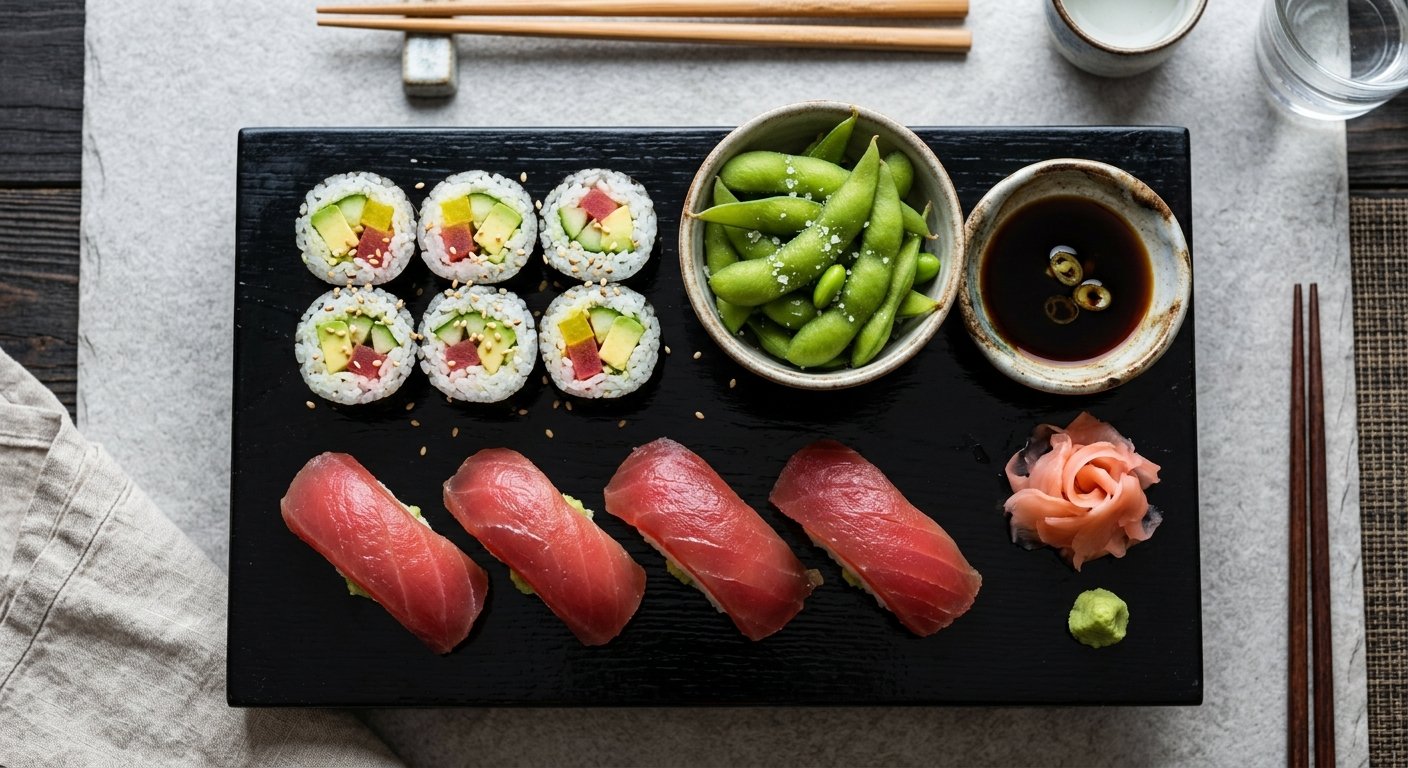
Japan is a dream destination for global travelers, famous for its rich history, modern cityscapes, and world-renowned culinary culture. However, for Muslim travelers, navigating Japanese cuisine presents unique challenges due to hidden non-Halal ingredients like mirin (cooking rice wine), sake, pork fat, and gelatin. The good news is that Japan has rapidly expanded its Muslim-friendly tourism infrastructure, making it easier than ever to enjoy authentic Halal food in Japan.
From savory Halal ramen and Wagyu beef to vegetarian sushi and certified street snacks, you can explore Japanese gastronomy with complete peace of mind. This comprehensive guide covers top mobile apps, ingredient-reading techniques, and certified dining spots to help you easily locate authentic Halal food in Japan.
Key Takeaways
- Essential Mobile Apps: Use dedicated tools like Halal Navi and Halal Gourmet Japan to locate verified restaurants, prayer rooms, and Muslim-friendly convenience store items.
- Beware of Hidden Ingredients: Learn to spot non-Halal staples in Japanese cooking, specifically mirin (cooking wine), sake, shoyu (soy sauce with alcohol), and pork stock (tonkotsu).
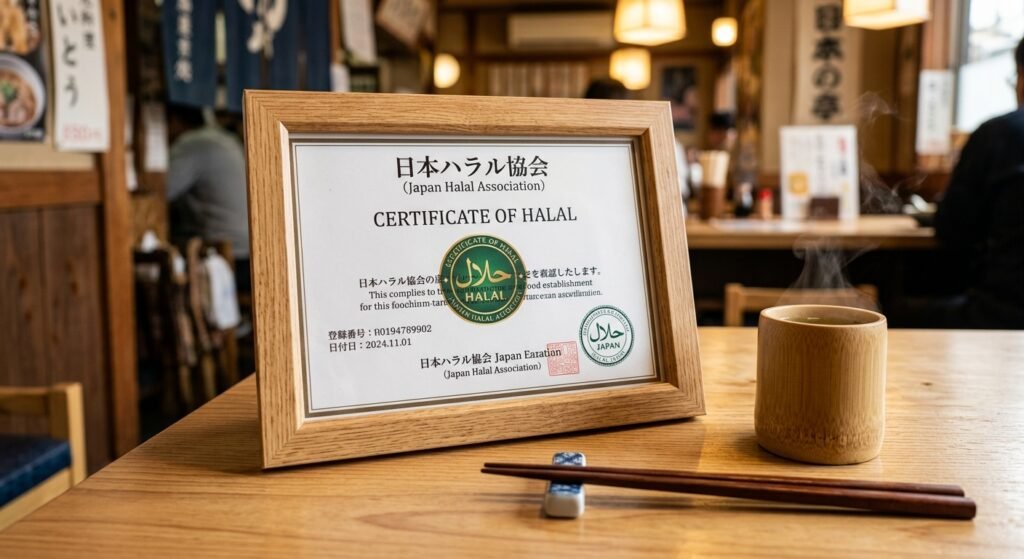
- Look for Official Certifications: Look for badges issued by recognized bodies such as the Japan Halal Association (JHA) or the Japan Muslim Association (JMA).
- Convenience Store (Konbini) Solutions: Pick up naturally Halal snacks like plain onigiri (rice balls), fresh fruit, salted edamame, and boiled eggs at 7-Eleven, Lawson, or FamilyMart.
1. Understanding Halal Standards & Certifications in Japan
Before dining out, it helps to understand how Halal dining is categorized across Japanese cities like Tokyo, Kyoto, and Osaka.
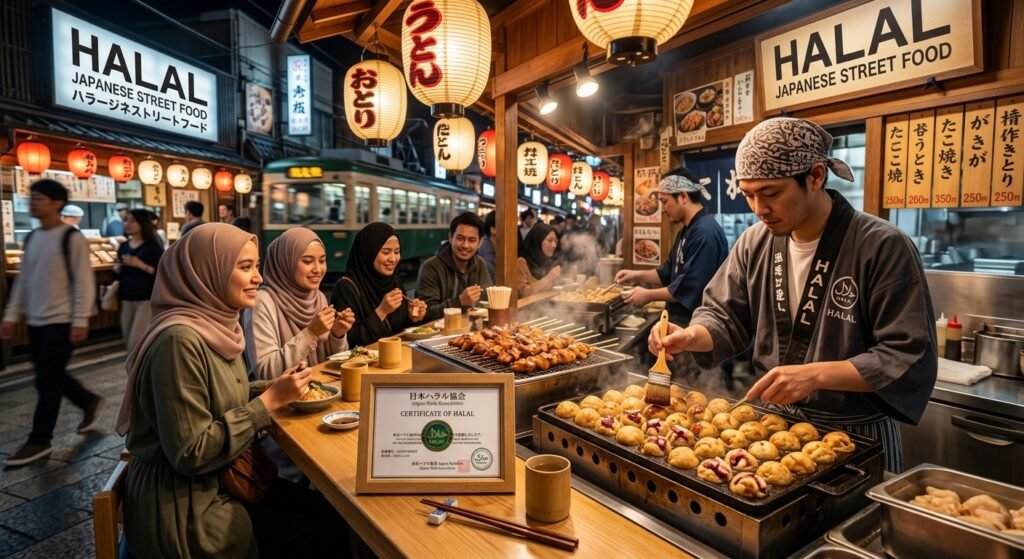
Certification Categories You Will Encounter
- Strictly Halal Certified: The entire kitchen, meat sourcing, and equipment are 100% Halal certified by recognized Islamic organizations, with no alcohol served on-site.
- Muslim-Friendly (Halal-Friendly Menu): The kitchen serves certified Halal meat options cooked using dedicated cookware, though alcohol may be served to non-Muslim patrons.
- Pork-Free & Mirin-Free Options: Standard Japanese eateries that offer specific dishes free of pork, animal fats, and cooking alcohol upon request.
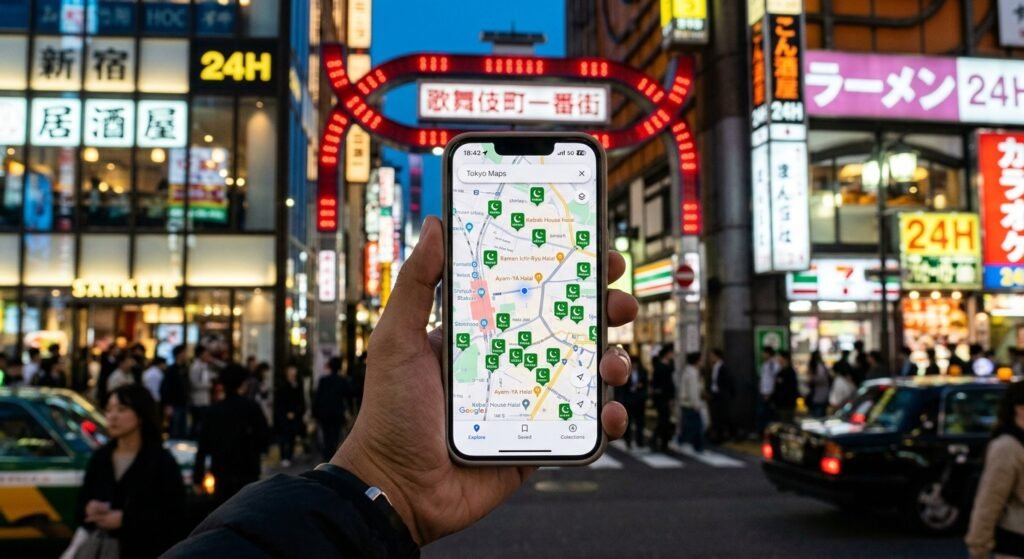
2. Top Mobile Apps & Digital Tools for Finding Halal Meals
Technology has made discovering authentic Halal food in Japan effortless for international tourists.
[Internal Link: Read our top budget food hacks for traveling Southeast Asia]
1. Halal Navi
- Features: A crowdsourced app built specifically for Muslim travelers in Japan. Includes user reviews, food photos, prayer room maps, and scan features for Japanese grocery ingredients.
2. Halal Gourmet Japan
- Features: Maintains a directory of over 800 verified restaurants across Japan. Filter searches by certification type, region, and specific food categories like Wagyu beef, curry, or ramen.
3. How to Read Japanese Convenience Store (Konbini) Labels
When dining on the go, 7-Eleven, Lawson, and FamilyMart offer quick, affordable options. However, checking ingredient lists is vital.
[External Link: Explore official Muslim travel resources on the official Japan National Tourism Organization (JNTO) Portal]
Common Kanji Words to Avoid
Keep this quick translation guide saved on your phone when checking packaged foods:
- Pork: 豚肉 (Butaniku)
- Alcohol / Sake: 酒 (Sake) or アルコール (Arukōru)
- Mirin (Sweet Cooking Wine): みりん (Mirin)
- Shortening / Animal Fat: ショートニング (Shōtoningu) or 脂/油脂 (Yushi)
- Gelatin: ゼラチン (Zerachin)
4. Popular Halal Dishes to Try in Japan
| Dish Category | Popular Halal Spot / Location | Description & Flavor Profile |
| Halal Ramen | Ayam-YA (Tokyo & Kyoto) | Rich chicken broth noodles served with tender sliced chicken cha-shu. |
| Halal Wagyu Beef | Panga (Asakusa, Tokyo) | A 100% Halal-certified yakiniku restaurant serving top-tier A5 Wagyu beef. |
| Halal Curry Rice | Curry House CoCo Ichibanya (Akihabara) | Dedicated Halal-certified branch of Japan’s famous curry house chain. |
| Muslim-Friendly Tempura | Halal Tendon Ginza Itsuki (Tokyo) | Crispy fried seafood and fresh vegetable tempura bowls served over rice. |
5. Smart Dining Tips for Muslim Travelers
- Book Popular Spots in Advance: High-demand Halal Wagyu and ramen restaurants in Tokyo and Kyoto fill up quickly. Reserve tables 1 to 2 weeks ahead online.
- Carry a Halal Explanation Card: Show a simple Japanese phrase card to staff: “Pāku to arukōru wa damedesu” (No pork and no alcohol, please).
- Opt for Seafood & Vegetarian Eateries: Traditional Soba, Udon, and Sushi bars offer safe seafood alternatives—just double-check that the dipping broth (dashi) is free of mirin.
Conclusion
Finding authentic Halal food in Japan is simpler today than ever before. By utilizing dedicated apps like Halal Navi, learning key Japanese ingredient labels, and dining at certified Halal ramen and Wagyu spots, you can fully experience Japan’s culinary culture without compromising your faith. Download your apps, pack your travel bags, and enjoy a delicious, worry-free trip to Japan!
Frequently Asked Questions (FAQs)
Is it difficult to find authentic Halal food in Japan outside major cities?
While major hubs like Tokyo, Kyoto, and Osaka have an abundance of certified Halal restaurants, smaller towns require more planning. Rely on seafood-based sushi, vegetarian options, and convenience store items when traveling through rural regions.
Is sushi always Halal in Japan?
Not always. While raw fish and rice are naturally Halal, some sushi rice is seasoned with sushi vinegar containing small amounts of cooking alcohol or mirin. Always confirm with the chef before ordering.
Which convenience store has the best Halal-friendly items in Japan?
7-Eleven, Lawson, and FamilyMart all carry safe options like plain sea salt onigiri (salmon, plum, or plain rice), hard-boiled eggs, fresh fruits, and salted edamame.
1 thought on “Authentic Halal Food in Japan: Tips & Apps”