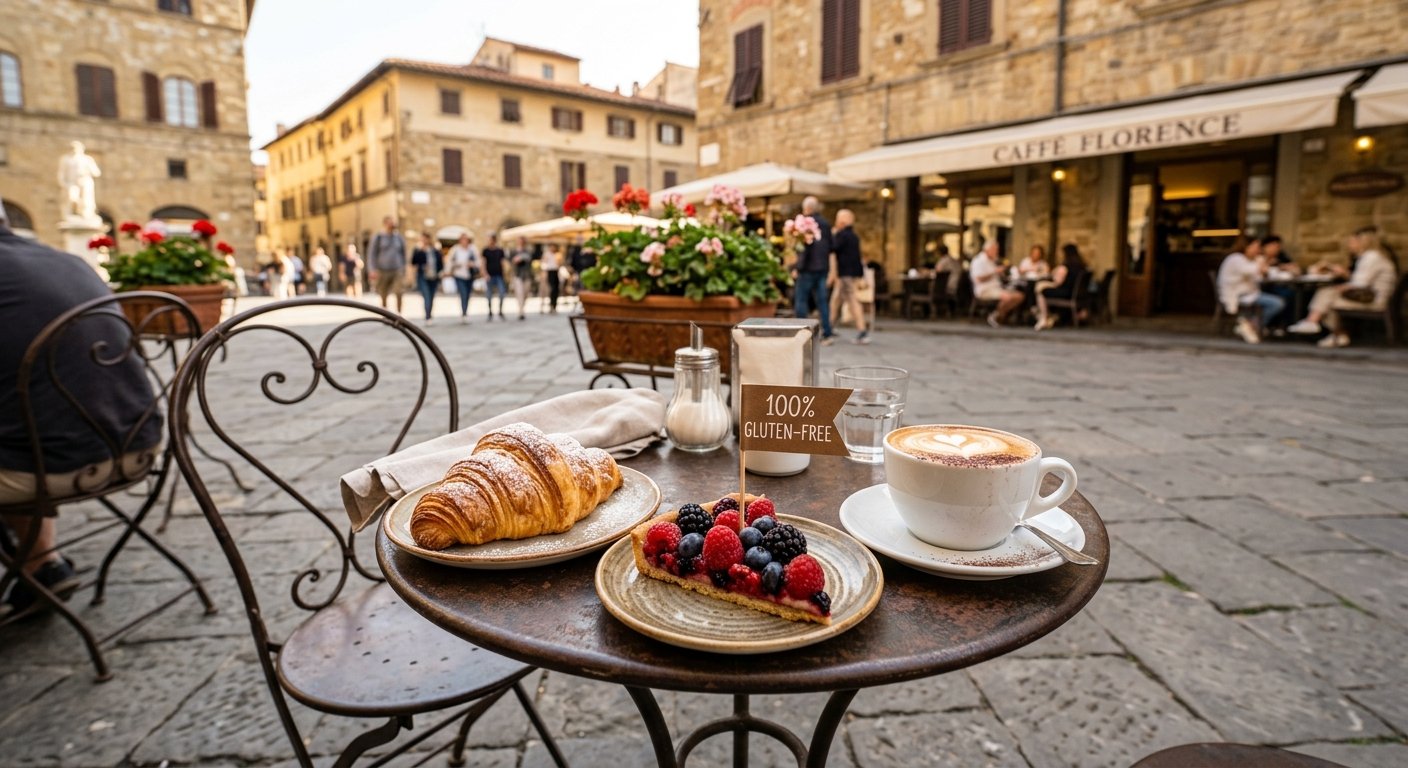
Traveling across Europe with celiac disease or severe gluten sensitivity used to require extensive meal planning, suitcase packing filled with non-perishable snacks, and constant anxiety over cross-contamination. Today, Europe has emerged as one of the most progressive and accommodating regions globally for gluten-free diners. Strict European Union allergen labeling laws, dedicated celiac associations, and a boom in 100% gluten-free bakeries have transformed international travel for dietary-restricted tourists.
Navigating gluten-free travel in Europe with total confidence comes down to knowing which cities offer the best infrastructure, certification programs, and dedicated kitchens. Whether you crave authentic Italian pasta, French pastries, or Spanish tapas, this guide highlights the safest European destinations and essential travel strategies for celiacs.
Key Takeaways
- Italy Leads Global Celiac Care: Despite its carb-heavy reputation, Italy is widely considered the world’s safest destination for celiacs due to its national Associazione Italiana Celiachia (AIC) program.
- Strict EU Allergen Regulations: EU law mandates that restaurants and food manufacturers explicitly declare 14 major allergens—including gluten—on all menus and packaging.
- 100% Dedicated Facilities Are Key: Opting for dedicated gluten-free bakeries, pizzerias, and cafes eliminates the risk of cross-contamination from shared ovens or preparation surfaces.
- Translation Cards Are Essential: Carrying digital or physical restaurant translation cards written in local languages ensures kitchen staff understand strict celiac cross-contamination protocols.

1. Top European Cities for Safe Celiac Dining
Certain European capitals stand out for their exceptional density of dedicated gluten-free kitchens and educated restaurant staff.
1. Rome, Italy (The Celiac Gold Standard)
Italy is surprisingly a paradise for celiacs. The Italian Celiac Association (AIC) trains and certifies thousands of restaurants across the country.
- Top Highlights: You can enjoy 100% dedicated gluten-free pizzerias, gelato shops, and pasta bars across Rome without worrying about shared water baths or flour dust.
2. Madrid, Spain (Dedicated Tapas & Bakeries)
Spain boasts robust celiac awareness, led by the FACE (Federación de Asociaciones de Celiacos de España) national seal.
- Top Highlights: Madrid offers dozens of 100% gluten-free bakeries serving traditional churros con chocolate, empanadas, and gluten-free beer on tap.
3. Paris, France (Artisanal Gluten-Free Patisseries)
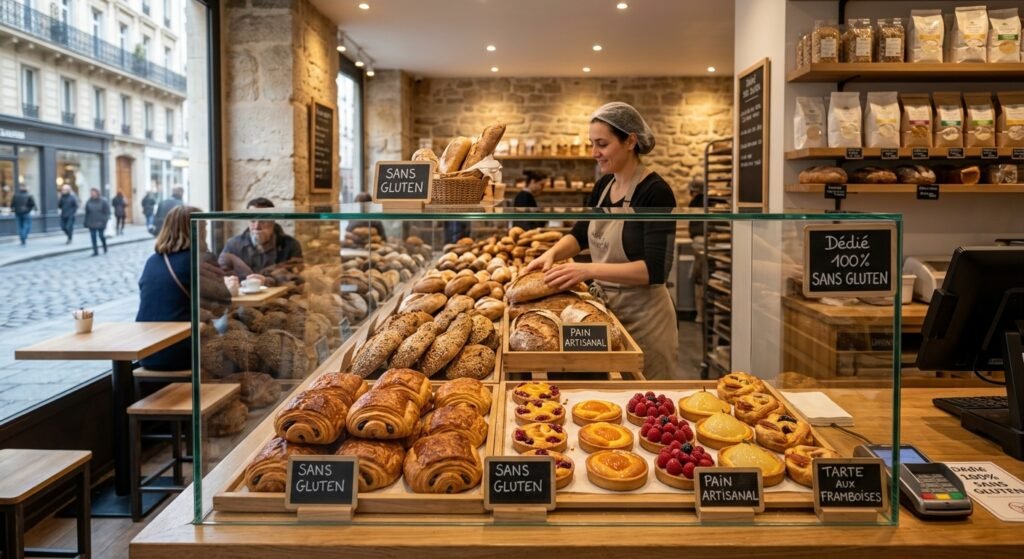
While traditional French baguettes and croissants are off-limits, Paris has cultivated a thriving world of dedicated gluten-free patisseries.
- Top Highlights: Savor certified gluten-free eclairs, tarte tatin, fresh baguettes, and delicate macarons crafted in wheat-free facilities.
2. Navigating EU Food Labels & Cross-Contamination
Understanding regulations makes grocery shopping and dining out seamless during your trip.
[Internal Link: Read our ultimate vegan guide to traveling in Italy]
The EU Allergen Labeling Law
Under European Regulation (EU) No 1169/2011, any packaged food item or restaurant menu item containing wheat, barley, rye, or oats must clearly highlight the allergen in bold text or in the ingredients list.
Essential Celiac Keywords Across Languages
- Italian:Senza Glutine / Sono Celiaco/a
- Spanish:Sin Gluten / Tengo Enfermedad Celíaca
- French:Sans Gluten / Je suis Céliaque
- German:Glytenfrei / Ich habe Zöliakie
3. Essential Tools for Stress-Free Celiac Travel
Successful gluten-free travel in Europe relies on using verified digital tools before stepping into a restaurant.
[External Link: Explore certified international celiac travel resources on the official Coeliac UK Portal]
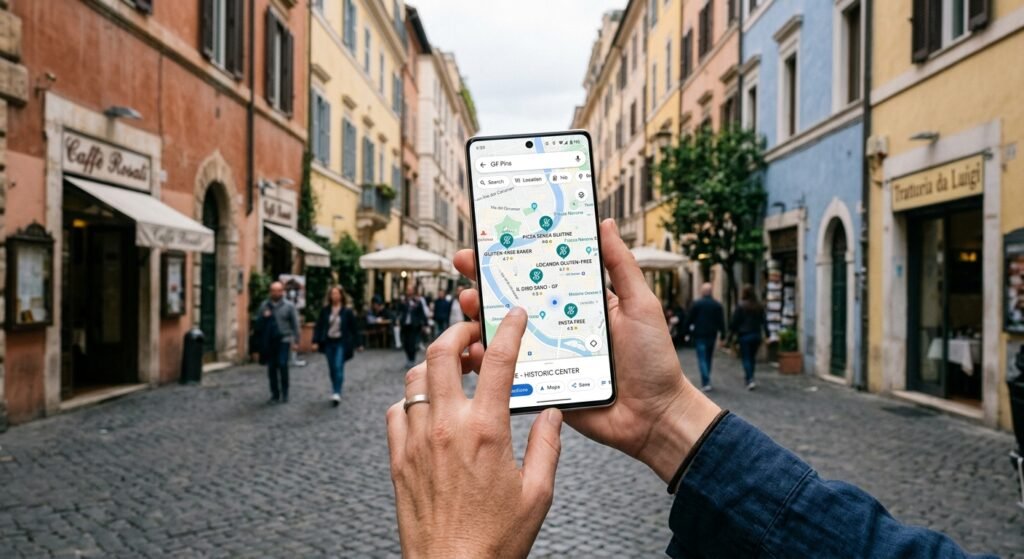
- Find Me Gluten Free App: The premier global app for crowd-sourced reviews filtered specifically by celiac safety, dedicated facilities, and cross-contamination ratings.
- Equal Eats Translation Cards: Digital cards translated by native speakers explaining that even microscopic breadcrumbs, shared fryers, or unwashed utensils cause severe illness.
- Local Celiac Association Websites: Check local national association directories (like AIC in Italy or FACE in Spain) for interactive maps of official verified venues.
4. City Comparison for Gluten-Free Travelers
| European City | Overall Safety Rating | Density of 100% Dedicated Spots | Iconic Gluten-Free Dish to Try |
| Rome, Italy | 5 / 5 (Exceptional) | Very High | Neapolitan Pizza & Fresh Pasta |
| Madrid, Spain | 5 / 5 (Exceptional) | High | Gluten-Free Churros & Tapas |
| Paris, France | 4 / 5 (Very Good) | Moderate | Gluten-Free Croissants & Tarts |
| London, UK | 4.5 / 5 (Excellent) | High | Gluten-Free Fish & Chips |
| Dublin, Ireland | 4.5 / 5 (Excellent) | Moderate | Traditional Gluten-Free Soda Bread |
Conclusion
Mastering gluten-free travel in Europe is easier and more rewarding today than ever before. Thanks to progressive EU labeling standards, national celiac certifications, and dedicated wheat-free bakeries, celiacs can experience Europe’s iconic culinary cultures safely. By selecting top-rated celiac-friendly cities, leveraging mobile finder apps, and communicating clearly with local staff, you can embark on a worry-free European adventure. Bon appétit!
Frequently Asked Questions (FAQs)
Is Italy really safe for travelers with celiac disease?
Yes! Italy is widely considered one of the safest countries in the world for celiac travelers. Italian doctors screen for celiac disease early in life, leading to widespread public awareness, dedicated AIC-certified restaurants, and wheat-free pizza and pasta options across the country.
How do I avoid cross-contamination while dining out in Europe?
To minimize cross-contamination, look for restaurants with dedicated 100% gluten-free kitchens or official national celiac association badges. Always use detailed translation cards to explain that separate pots, fryers, and utensils are required.
Are oats considered gluten-free in European restaurants?
Not always. In Europe, oats must be specifically labeled as “certified gluten-free” (gluten-free oats) to guarantee they were not cross-contaminated during farming or processing. When in doubt, avoid standard oat products.