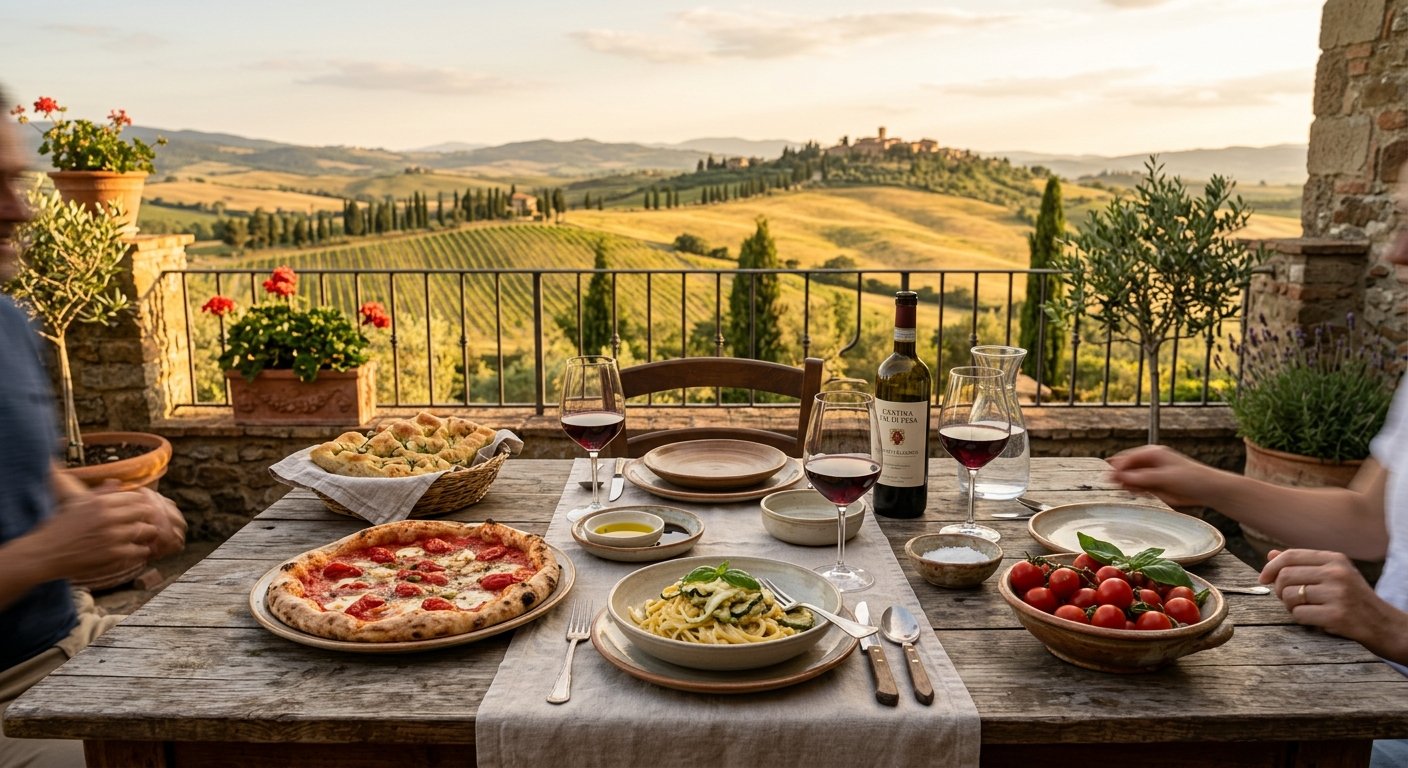
vegan guide to traveling in Italy Italy is widely celebrated across the globe for its rich culinary heritage, famous cheeses, and cured meats. At first glance, plant-based travelers might worry that navigating a land known for mozzarella, prosciutto, and fresh egg pasta could be challenging. However, traditional Italian gastronomy is rooted in cucina povera (peasant cooking)—a style of cooking that relies heavily on fresh vegetables, seasonal legumes, high-quality extra virgin olive oil, and grains.
In reality, vegan guide to traveling in Italy Italy is one of the most plant-friendly countries in Europe once you know how to navigate menus and regional specialties. Following this vegan guide to traveling in Italy will empower you to discover naturally plant-based classics, order with confidence in local trattorias, and savor incredible Italian cuisine without compromise.
Key Takeaways
- Cucina Povera Roots: Traditional Italian heavily on naturally plant-based regional staples like tomatoes, garlic, legumes, herbs, and olive oil.
- Fresh vs. Dry Pasta Rule: Dried pasta (pasta secca) is made strictly from durum wheat and water (100% vegan), whereas fresh handmade pasta (pasta fresca) typically contains egg yolks.
- Pizza Marinara Superiority: The world’s oldest pizza—Pizza Marinara—is naturally vegan, topped simply with San Marzano tomatoes, garlic, oregano, and extra virgin olive oil.
- Gelato Hacks: Look for artisanal gelaterias offering fruit-based sorbetto or dairy-free creamy gelato made with almond, hazelnut, or pistachio milk.
1. Naturally Vegan Italian Dishes You Must Try
vegan guide to traveling in Italy You do not need specialized vegan restaurants to enjoy world-class Italian food. Traditional menus across Rome, Florence, Naples, and Sicily feature dishes that are 100% plant-based by default.
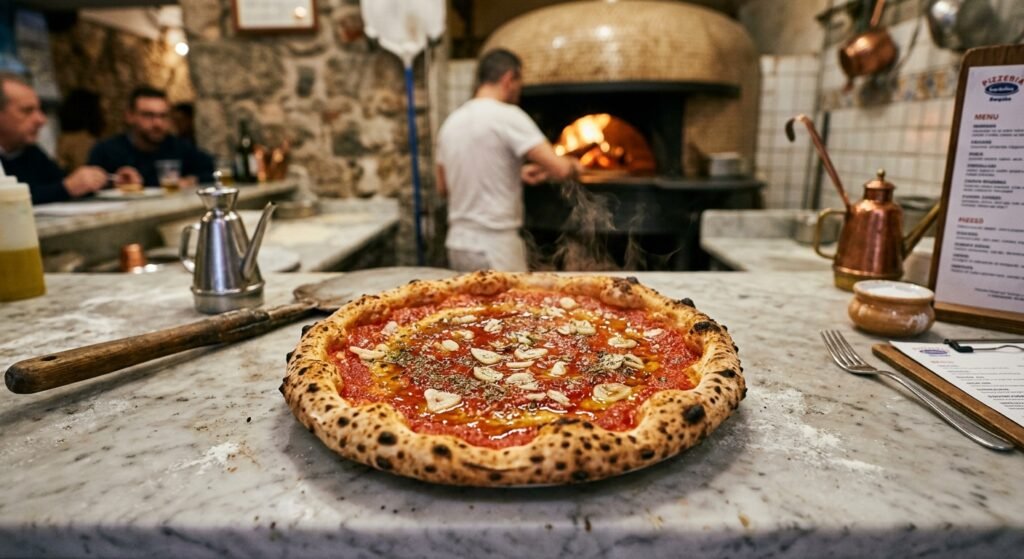
1. Pizza Marinara
The classic brick-oven Neapolitan pizza that predates the Margherita. It features a tangy San Marzano tomato sauce base topped with sliced garlic, wild oregano, and cold-pressed extra virgin olive oil.
2. Pasta e Fagioli & Pasta e Ceci
Hearty traditional soups served across central and southern Italy made with slow-simmered beans (fagioli) or chickpeas (ceci), garlic, rosemary, and ditalini pasta.
3. Caponata (Sicily)
A sweet and savory Sicilian appetizer crafted from fried eggplants, capers, olives, celery, and sweet-and-sour tomato sauce.
4. Bruschetta al Pomodoro
Toasted sourdough bread rubbed with garlic, drizzled with olive oil, and piled high with ripe, vine-ripened tomatoes and fresh basil.
2. Essential Rules for Ordering Vegan Food in Italy
Navigating local menus (la carta) becomes seamless when you understand standard culinary terms.
[Internal Link: Check out our complete guide on budget food hacks for traveling Southeast Asia]
Differentiating Pasta Types
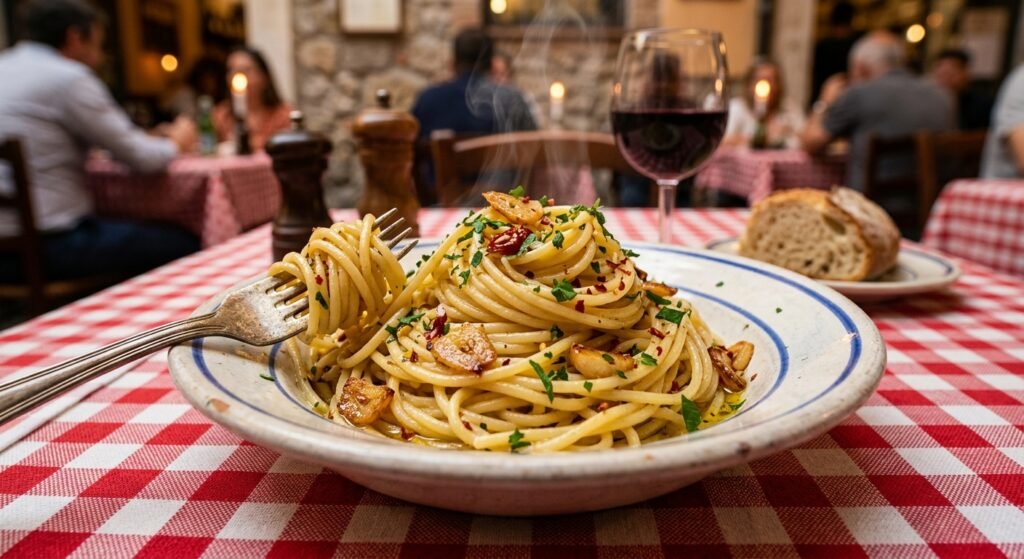
- Pasta Secca (Dried Pasta): Standard commercially produced pasta shapes like spaghetti, penne, and rigatoni are legally required in Italy to be made with 100% durum wheat semolina and water.
- Pasta Fresca (Fresh Pasta): Handmade noodles like tagliatelle, ravioli, and gnocchi often use eggs (uova). Always ask: “Questa pasta contiene uova?” (Does this pasta contain eggs?).
Key Phrases to Remember
- “Sono vegano/a” – I am vegan (male/female).
- “Senza formaggio, per favore” – Without cheese, please.
- “Senza burro e senza latte” – Without butter and without milk.
3. Finding Vegan Gelato Across Italian Cities
No trip to Italy is complete without gelato. Fortunately, plant-based options are widely available across every city.
[External Link: Discover regional food maps and travel itineraries on the official Italian National Tourism Board Portal]
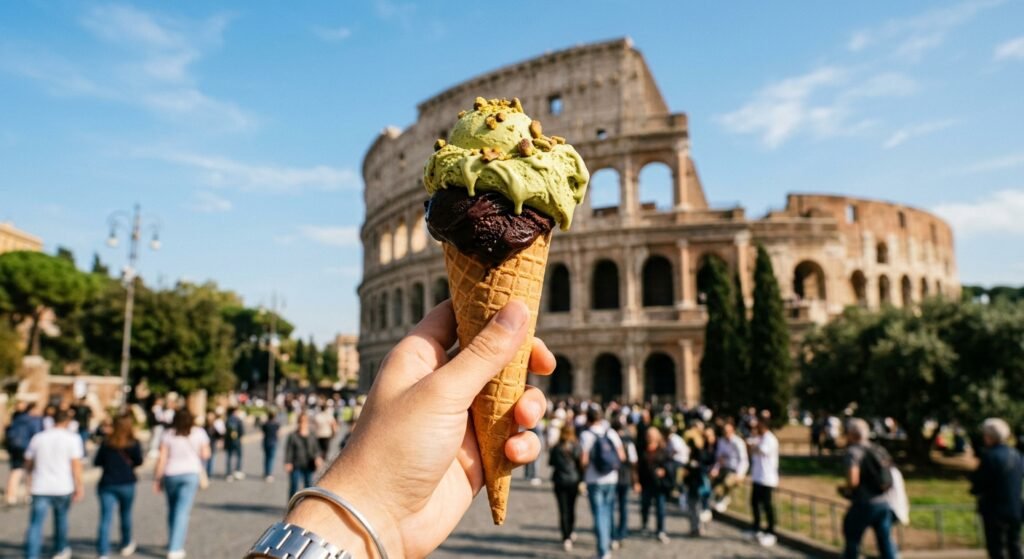
Sorbetto vs. Creamy Vegan Gelato
- Sorbetto (Fruit Gelato): Fruit flavors like lemon (limone), strawberry (fragola), mango, and raspberry (lampone) are naturally water-based, fat-free, and vegan.
- Cioccolato Fondente (Dark Chocolate): High-end gelaterias often craft dark chocolate using water or almond milk instead of dairy cream. Always look for signs reading “senza latte” (dairy-free).
4. Regional Vegan Delights Across Italy
| Region / City | Iconic Plant-Based Specialty | Primary Ingredients |
| Tuscany (Florence) | Ribollita | Tuscan kale (cavolo nero), white beans, stale bread, olive oil. |
| Liguria (Genoa) | Focaccia Genovese | Baked flatbread topped with olive oil, sea salt, and rosemary. |
| Lazio (Rome) | Carciofi alla Giudia / alla Romana | Crispy fried or braised artichokes with mint, garlic, and oil. |
| Puglia | Orecchiette con Cime di Rapa | Ear-shaped pasta served with sauteed turnip tops, garlic, and chili. |
| Sicily | Granita con Brioche (specify vegan) | Shaved ice dessert flavored with real crushed almonds or espresso. |
Conclusion
Following a practical vegan guide to traveling in Italy opens the door to a world of authentic flavors, historic recipes, and welcoming hospitality. By seeking out naturally plant-based cucina povera dishes, double-checking pasta ingredients, and savoring local fruit sorbettos, you can enjoy a rich culinary journey across Italy. Pack your appetite, explore neighborhood markets, and buon appetito!
Frequently Asked Questions (FAQs)
Is it easy to eat vegan in Italy without visiting vegan restaurants?
Yes! Traditional Italian cuisine features dozens of naturally plant-based options like Pizza Marinara, Penne all’Arrabbiata, Spaghetti Aglio e Olio, and Bruschetta, which are available at standard trattorias nationwide.
Is pesto sauce in Italy vegan?
Traditional Italian pesto (Pesto alla Genovese) is made with Parmesan or Pecorino cheese and is not vegan. However, many modern cafes offer cheese-free pesto (pesto senza formaggio) upon request.
Is Italian wine vegan-friendly?
Not all Italian wines are vegan due to traditional fining processes that may use animal proteins (such as gelatin or egg whites). Look for wines labeled “vegano” or check bottles on apps like Barnivore.
1 thought on “Vegan Guide to Traveling in Italy”