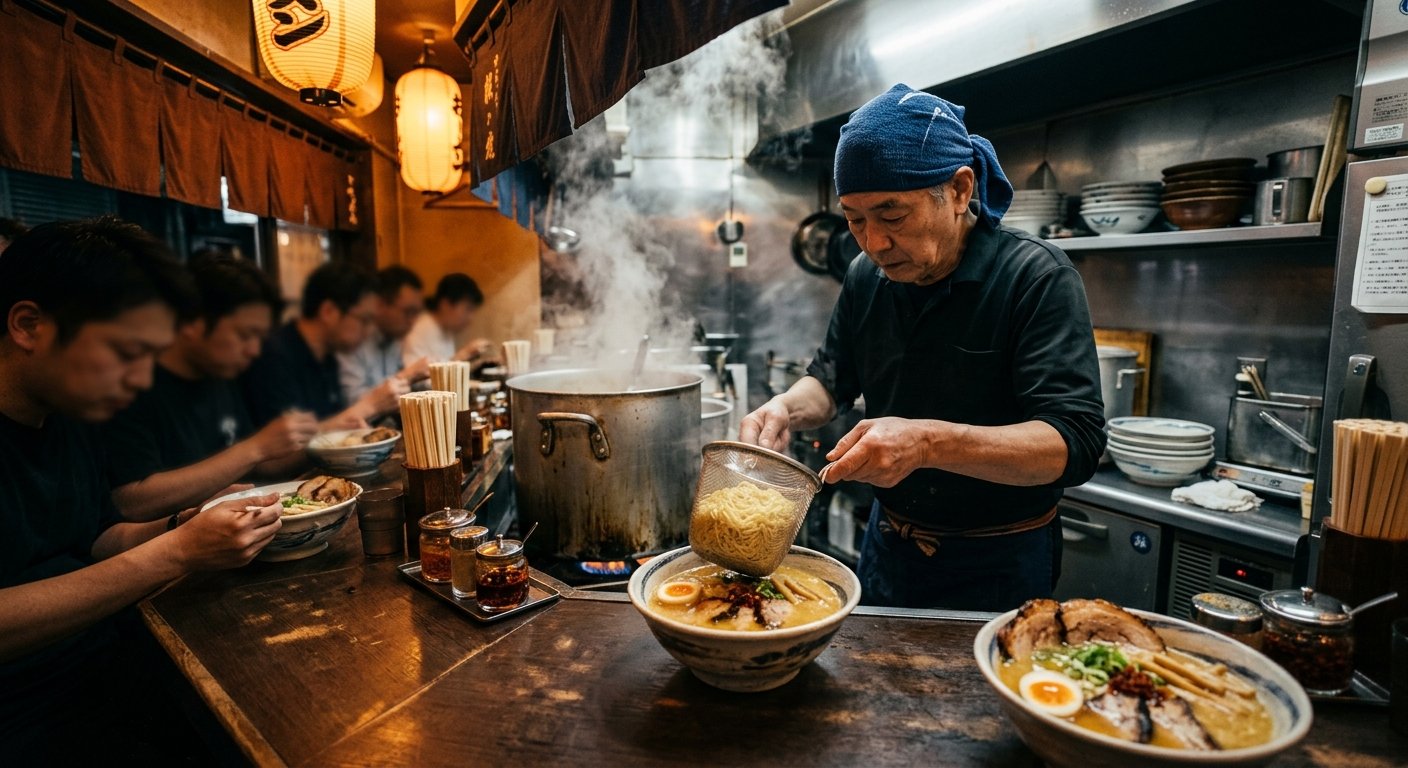
The Ultimate Tokyo Food Tour Tokyo is an unrivaled paradise for food lovers, housing well over 10,000 ramen shops alone. In this metropolis, a single dish can represent a lifetime of culinary mastery. Embarking on a Tokyo ramen tour offers a window into Japanese culture, where dedicated shokunin (master artisans) spend decades perfecting a single bowl of noodle soup.
Whether you are seeking tiny, eight-seat alleys tucked under train tracks or refined, high-end bowls recognized by international critics, Tokyo’s noodle scene satisfies every palate. Navigating this vast culinary landscape requires a strategy. This guide breaks down how to experience the ultimate Tokyo ramen tour, bridging the gap between humble local spots and Michelin-lauded establishments.
Key Takeaways
- Vast Spectrum of Flavors: A complete Tokyo ramen tour covers four primary broth styles—Shoyu (Soy Sauce), Shio (Salt), Tonkotsu (Pork Bone), and Miso—along with modern variations like Tsukemen (dipping noodles) and Tori Paitan (creamy chicken broth).
- Booking vs. Queueing: While hole-in-the-wall shops operate on ticket vending machines and physical queues, Michelin-starred locations often require online reservation systems or morning ticket distribution.
- Neighborhood Niche Mapping: Shinjuku and Golden Gai excel in smoky, concentrated broths; Ginza leans toward elevated, French-influenced refinement; and Akihabara offers rich, heavy comfort styles.
- Proper Etiquette: Slurping your noodles is encouraged—it cools down the hot broth while aerating the noodles to enhance flavor!
1. Decoding Tokyo Ramen: Understanding the Four Essential Styles
The Ultimate Tokyo Food Tour Before stepping into your first shop, understanding the foundational broth types will help you order with confidence.
Shoyu (Soy Sauce)
The historic backbone of Tokyo-style ramen. Shoyu features a clear, amber-colored broth made from chicken, seafood, or pork stock blended with a complex, aged soy sauce tare (seasoning base). It delivers a crisp, savory, and comforting flavor profile.
Shio (Salt)
The oldest and lightest style. Shio ramen relies on sea salt, kelp (kombu), and dried seafood to create a crystal-clear broth. It is delicate, nuanced, and highlights the natural mineral taste of high-grade ingredients.
Tonkotsu (Pork Bone)
Originating from Kyushu, this style features a thick, milky-white broth produced by boiling pork bones over high heat for up to 20 hours. It is rich, collagen-heavy, and intensely savory.
Miso
A northern specialty from Hokkaido that took root in Tokyo. Earthy, fermented miso paste is whisked into rich broth, often stir-fried with lard, garlic, and bean sprouts for a robust, warming meal.
2. Iconic Hole-in-the-Wall Shops: Authentic Local Flavors
The soul of any Tokyo ramen tour resides in its tiny, unpretentious, counter-only shops where space is tight and flavors are bold.
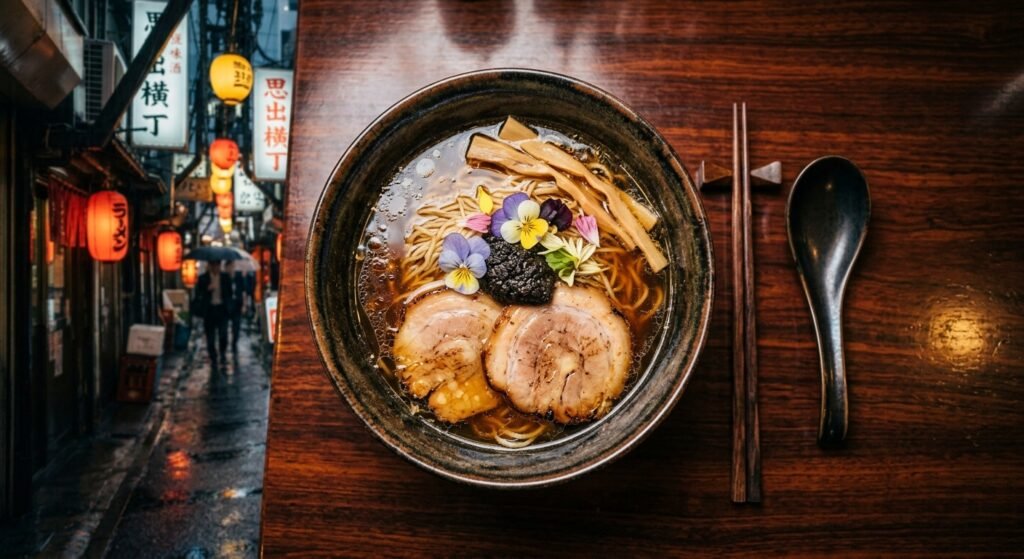
Ramen Nagi (Shinjuku Golden Gai)
Located on the second floor of a tiny wooden building in Shinjuku’s historic nightlife district, Ramen Nagi serves an intensely flavorful Niboshi (dried anchovy) broth.
- The Experience: Climb a narrow, steep staircase to find an 8-seat counter. Their signature bowl pairs thick, hand-scrunched noodles with a dark, complex seafood broth and wide, sheet-like noodle ribbons.
- Vibe: Loud, energetic, and open late into the night.
Fuunji (Shinjuku)
A pilgrimage site for fans of Tsukemen (dipping noodles). Instead of noodles served inside soup, ice-chilled, chewy noodles are served on a separate plate alongside a small bowl of hyper-concentrated chicken and fish reduction stock.
[Internal Link: Explore our neighborhood travel guide to Shinjuku’s best hidden night spots]
- The Experience: Customers line up along the wall behind seated diners, watching the master chef strain noodle baskets with rhythmic precision.
- How to Eat: Dip a small bunch of noodles into the thick sauce, slurp immediately, and ask for スープ割 (Soup-wari) at the end to dilute the remaining sauce into a drinkable broth.
3. Michelin-Starred & Elevated Ramen: The New Wave of Precision
In recent years, Tokyo revolutionized global perception by elevating humble noodle soup to Michelin-recognized fine dining. On an elevated Tokyo ramen tour, you will taste broths crafted with French culinary techniques and rare, premium Japanese produce.
Ginza Hachigo (Ginza)
Founded by Chef Yasuji Matsumura, who spent decades mastering French cuisine, Ginza Hachigo famously prepares its broth without using a traditional tare (seasoning sauce).
[External Link: View official restaurant listings and inspection criteria on the Michelin Guide website]
- The Culinary Approach: The clear, golden soup is brewed using duck, Nagoya Cochin chicken, prosciutto, dried scallops, and mushrooms, seasoned solely with French sea salt.
- Presentation: Served in a sleek 6-seat cedar counter room that feels like a high-end sushi restaurant.
Konjiki Hototogisu (Shinjuku)
Renowned for its groundbreaking, complex seafood-based Shio and Shoyu bowls.
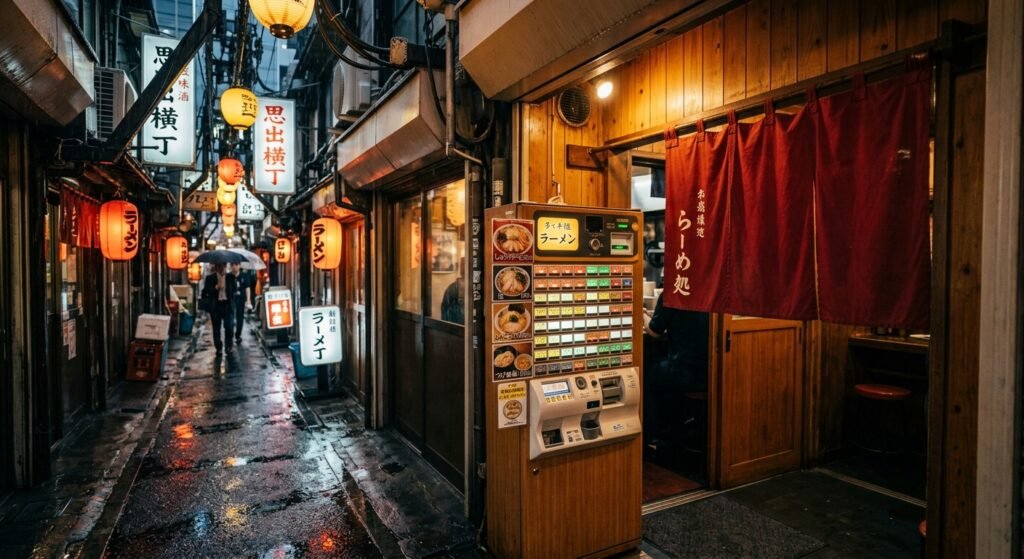
- The Flavor Secret:The broth blends triple-extracted stocks—Manila clam, chicken, and dried fish—finished with a touch of black truffle oil and porcini sauce. The result is an explosive umami profile that dances between Japanese tradition and European flair.
4. Navigating a Tokyo Ramen Shop: Essential Etiquette & Ordering Tips
To enjoy your Tokyo ramen tour like a seasoned local, follow these standard operational norms:
Plaintext
1. Purchase Ticket at Vending Machine ➔ 2. Hand Ticket to Chef ➔ 3. Slurp Fast & Hot ➔ 4. Clear Counter & Say Thanks
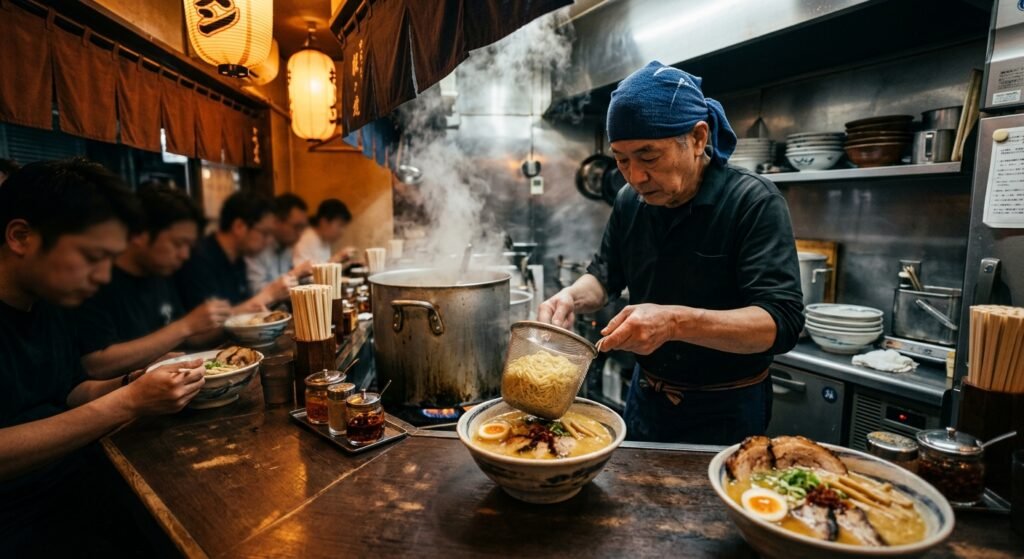
- The Ticket Machine (Shokuken): Most casual shops use a ticket machine near the entrance. Top-left buttons almost always feature the chef’s signature or recommended bowl. Cash (1,000 yen bills and coins) remains king at older establishments.
- Customizing Your Bowl: Staff may ask for your preference on noodle firmness (katame for firm) or broth richness.
- Eat Quickly: Ramen is designed to be consumed within 10 to 15 minutes before the hot broth softens the texture of the noodles.
- Slurp Audibly: Slurping aerates the broth, releasing aromatic notes while quickly cooling hot noodles.
- Clean Up Your Space: When finished, place your empty bowl and water cup on the raised counter ledge above you and wipe down your table spot with the cloth provided.
Conclusion
A dedicated Tokyo ramen tour is far more than a simple food crawl—it is an unforgettable journey through Japan’s relentless passion for culinary perfection. From smoky, late-night hole-in-the-wall counters in Shinjuku to quiet, Michelin-lauded dining rooms in Ginza, every bowl tells a distinct story of craft and flavor. Pack your appetite, keep small cash on hand, and prepare to slurp your way through the world’s greatest food city.
Frequently Asked Questions (FAQs)
How much does a bowl of ramen cost on a Tokyo ramen tour?
At traditional hole-in-the-wall shops, a standard bowl costs between ¥800 to ¥1,200 ($5 to $8 USD). At elevated or Michelin-starred restaurants, special bowls featuring premium toppings like truffle or Kurobuta pork range from ¥1,500 to ¥3,000 ($10 to $20 USD).
Do I need reservations for top-rated Tokyo ramen shops?
For casual hole-in-the-wall spots, you simply queue in line. However, Michelin-starred locations like Ginza Hachigo or Konjiki Hototogisu require advance online reservations or early morning physical ticket collection.
Can I find vegetarian or vegan options during a Tokyo ramen tour?
While traditional broths heavily rely on pork, chicken, or fish stock, Tokyo now offers dedicated plant-based ramen shops. Highly regarded spots like T’s Tantan (inside Tokyo Station) serve delicious 100% vegan sesame broth ramen.
To see a real-world look at these renowned shops and the famous bowls mentioned in this guide, check out this video covering Tokyo’s Michelin Bib Gourmand Ramen Bowls
. It gives an authentic preview of what to expect when ordering at top-rated noodle shops in the city.
1 thought on “The Ultimate Tokyo Food Tour”