Rome is a city where food is not simply eaten—it is celebrated, debated, and lived. However, with millions of visitors flooding the Eternal City each year, tourist-trap restaurants serving frozen pasta and overpriced menus have become commonplace. If you truly want to eat like a local in Rome, you must step away from crowded plaza terraces and adopt authentic Roman dining rituals.
From morning espresso protocols to late-night trattoria feasts in historic neighborhoods, learning how to eat like a local in Rome turns a short holiday into an unforgettable gastronomic journey. This comprehensive 48-hour itinerary guides you through authentic neighborhood markets, historic bakeries, and traditional eateries where Romans actually eat.
Key Takeaways
- Respect Coffee Etiquette: Order a cappuccino only before 11:00 AM; drink single espresso standing up at the bar counter (al banco) for an authentic, budget-friendly experience.
- Master the Four Classic Pastas: Authentic Roman cuisine revolves around Cacio e Pepe, Carbonara, Amatriciana, and Gricia—all built on pecorino romano cheese and cured pork jowl (guanciale).
- Explore Beyond the Center: Head to historic food districts like Testaccio, Trastevere, and Regola to find genuine family-run trattorias.
- Know the Schedule: Lunch runs strictly from 12:30 PM to 2:30 PM, while dinner begins no earlier than 7:30 PM (most locals dine around 8:30 PM).
Day 1: Classic Traditions, Historic Markets & Trastevere Evenings
Morning: Coffee Rituals & Pastry in Regola
To eat like a local in Rome, begin your morning at a traditional neighborhood bar (cafe). Avoid sitting at outdoor tourist tables where service fees stack up; instead, head straight inside to order and drink at the counter.
- 08:30 AM – Morning Fuel: Start at Pasticceria De Bellis or Roscioli Caffè. Order a hot cappuccino alongside a fresh cornetto (the Italian counterpart to the croissant, often filled with pistachio cream or wild sour cherry jam).
- 09:30 AM – Campo de’ Fiori & Regola Strolls: Wander down narrow cobblestone streets, stopping at Pasticceria Boccione in the historic Jewish Ghetto for piazza e ricotta (sour cherry and ricotta cake).
Midday: Market Tastings in Testaccio
Testaccio is widely recognized as the historic heart of authentic Roman home cooking and street food.
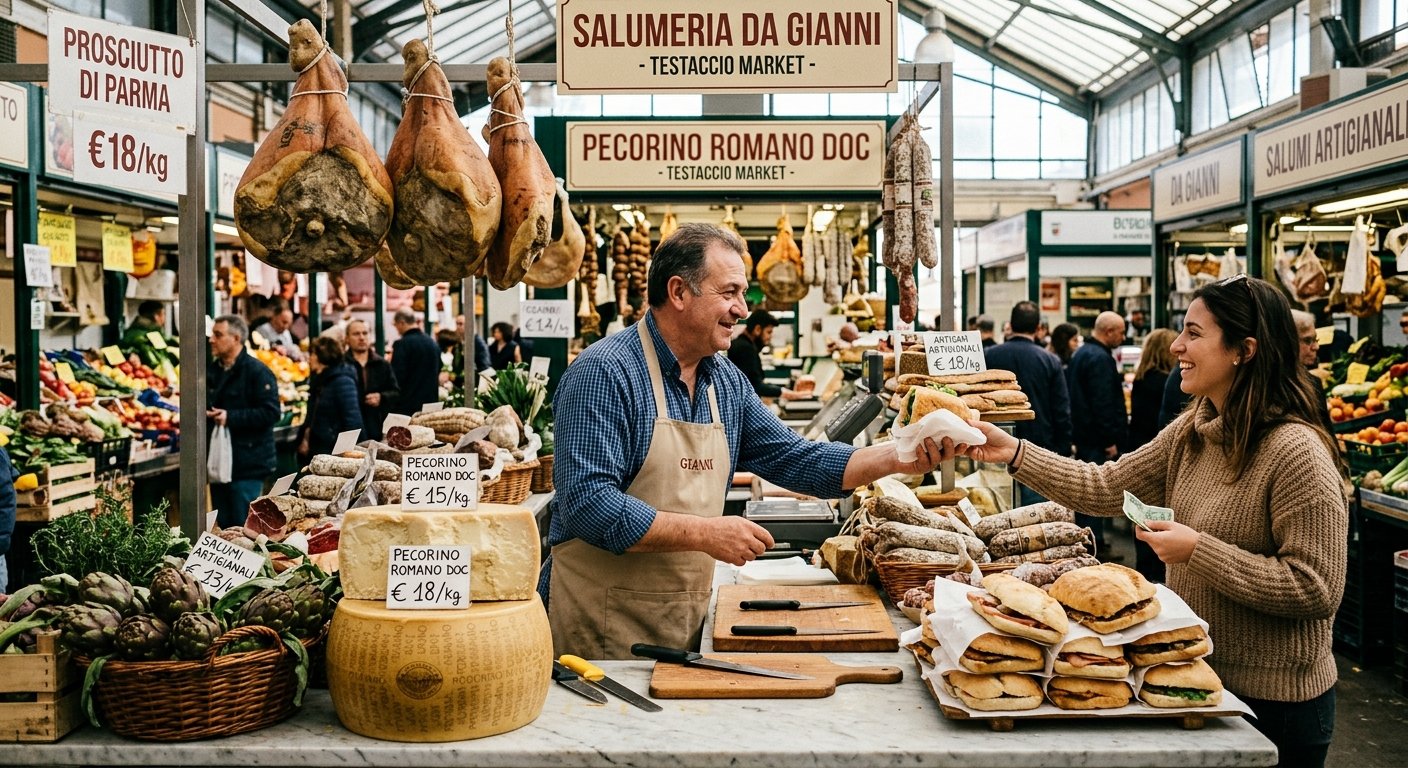
- 12:00 PM – Testaccio Market Exploration: Skip touristy market stalls and head directly to Mordi e Vai (Box 15). Here, former butcher Sergio Esposito crafts slow-cooked Roman meat sandwiches like skottona braised beef or trippa alla romana.
- 01:30 PM – Sit-Down Lunch: Walk over to Da Felice a Testaccio. This legendary spot serves what many consider the best Cacio e Pepe in the city, tossed tableside with handmade tonnarelli pasta, sharp pecorino, and coarse black pepper.
Afternoon: Street Food Snacks & Apertivo
Roman street food relies on simple, high-quality ingredients fried to golden perfection.
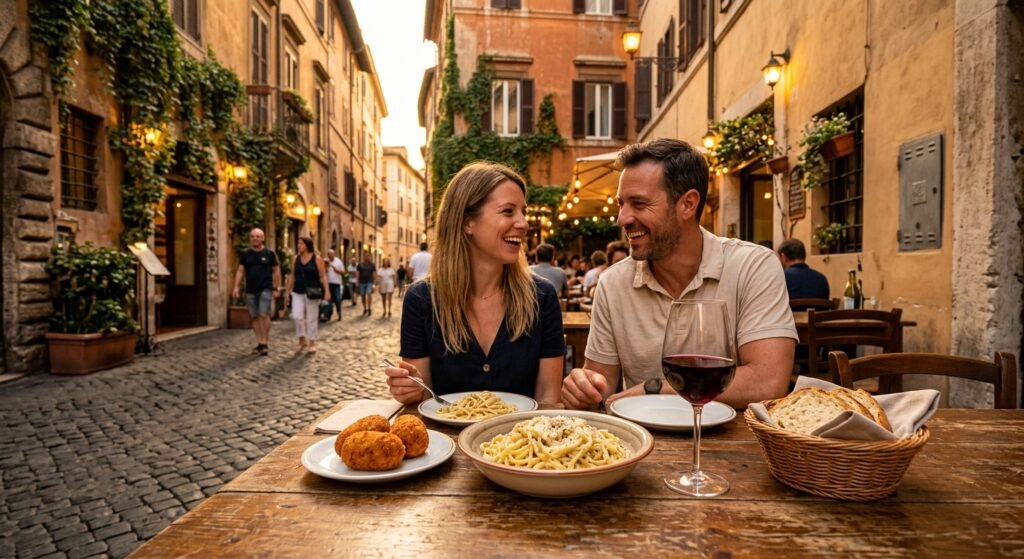
- 04:30 PM – The Suppli Snack: Visit Trapizzino or Supplì Roma in Trastevere. Try a classic supplì—a crispy fried rice ball filled with meat ragù and a melting mozzarella center.
- 06:30 PM – Aperitivo Hour: Before dinner, locals gather for a glass of wine or a spritz served with complimentary olives, focaccia, and small bites. Pull up a chair at L’Angolo Divino or Enoteca Il Gocetto.
Evening: Rustic Trattoria Feast in Trastevere
Trastevere boasts immense charm, but requires careful restaurant selection to avoid tourist traps.
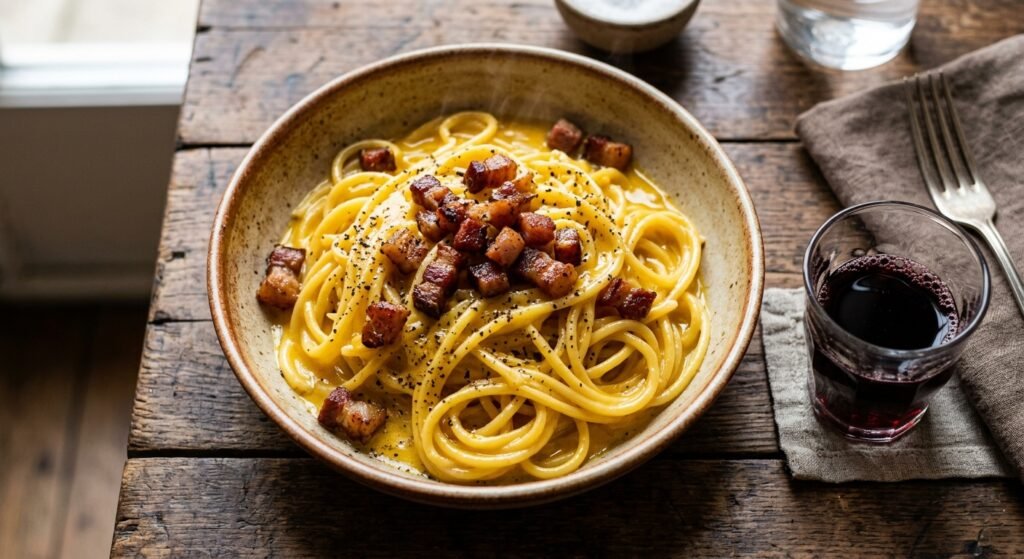
- 08:30 PM – Dinner at Trattoria da Teo: Tucked away in a quiet piazza, Trattoria da Teo serves world-class Rigatoni alla Carbonara—crispy guanciale, rich egg yolks, and aged pecorino without any added cream or butter.
- 10:30 PM – Artisanal Gelato: End the night at Gelateria del Teatro. True artisanal gelato uses soft, natural colors (mint should look pale green/gray, not neon green). Try their famous lavender-honey or dark chocolate flavors.
Day 2: Neighborhood Gems, Fried Specialties & Hidden Alleys
Morning: Espressos & Bakery Secrets
- 08:30 AM – Standing Espresso at Sant’Eustachio: Sip a velvety espresso at Sant’Eustachio Il Caffè or La Casa del Caffè Tazza d’Oro near the Pantheon.
- 10:00 AM – Forno Marco Roscioli: Head to Antico Forno Roscioli to grab a slice of Pizza Bianca (crispy, salted white flatbread drizzled with olive oil) or Pizza Rossa (crispy thin crust topped with simple tomato sauce).
[Internal Link: Read our full city food guide to finding hidden street food gems across Europe]
Midday: Traditional Jewish-Roman Cuisine
The historic Jewish Quarter has contributed some of the most celebrated culinary staples to Rome’s heritage.
- 01:00 PM – Lunch in the Jewish Ghetto: Book a table at Nonna Betta or Ba’Ghetto.
- Must-Order Dish: Order Carciofi alla Giudia (deep-fried Roman artichokes seasoned simply with salt and pepper until the outer leaves turn paper-crisp like potato chips). Pair it with Pasta alla Gricia—the historical predecessor to Amatriciana, crafted without tomatoes.
[External Link: Check seasonal dining recommendations on the official Michelin Guide Rome section]
Afternoon: Artisanal Cheese & Cured Meats
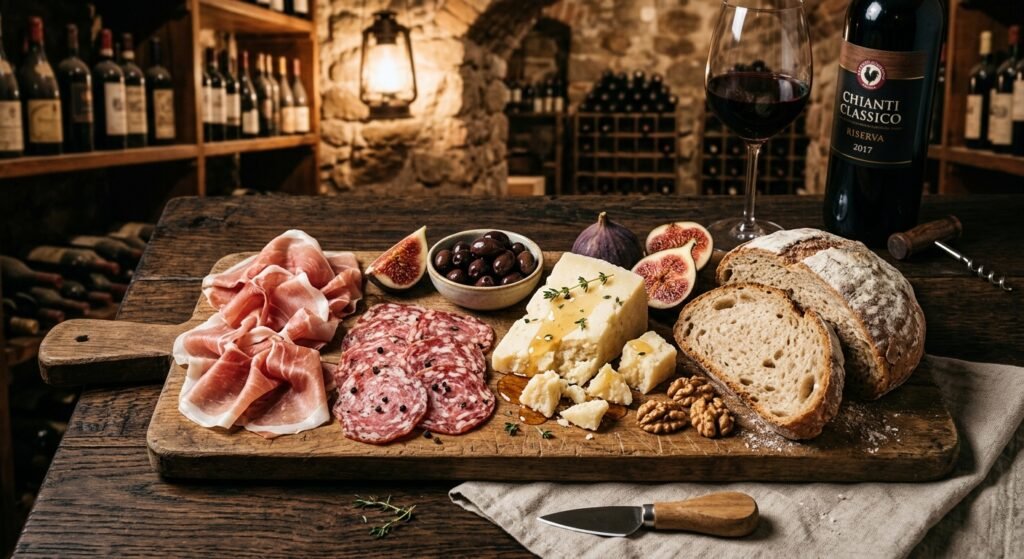
04:00 PM – Salumeria Shopping: Visit Roscioli Salumeria con Cucina. Part deli, part restaurant, this establishment showcases hundreds of artisanal Italian cheeses and cured meats. Order a small platter featuring aged Parmigiano Reggiano, prosciutto, and local mountain honey.
Evening: Modern Roman Cuisine & Craft Beer
Wrap up your effort to eat like a local in Rome by experiencing the city’s modern dining evolution.
- 08:30 PM – Dinner at Armando al Pantheon or SantoPalato:SantoPalato, led by Chef Sarah Cicolini, offers a modern take on traditional Roman offal and classic pasta dishes like Spaghetti all’Amatriciana (sweet San Marzano tomatoes, crispy guanciale, and spicy pecorino).
- 10:30 PM – Craft Beer & Digestivo: Conclude your 48-hour itinerary at Ma Che Sete Venuti A Fà in Trastevere, a cozy bar renowned for serving top Italian and European craft beers on tap.
4 Golden Rules to Eat Like a Local in Rome
Plaintext
1. No Cappuccino After 11 AM ➔ 2. Avoid Pictures on Menus ➔ 3. Dine After 8:00 PM ➔ 4. Eat Seasonal Produce
- Avoid Restaurants with Multilingual Picture Menus: If a host stands outside waving tourists into a restaurant featuring plastic food pictures, walk away.
- Order Water Correctly: When asked for water, specify naturale (still) or frizzante (sparkling).
- Check Service Fees (Coperto): Authentic spots charge a minor bread and cover fee (usually €1 to €3 per person). Avoid places charging extreme service percentages.
- Follow the Seasonal Clock: Real Roman kitchens construct menus around seasonal produce—such as fresh artichokes in winter/spring and sweet tomatoes in summer.
Conclusion
When you choose to eat like a local in Rome, your journey shifts from basic sightseeing to an immersive cultural experience. Following this 48-hour itinerary ensures you taste authentic carbonara, crispy supplì, and creamy gelato made with time-honored craft. Skip tourist traps, honor local dining customs, and enjoy every bite across the Eternal City! Buon appetito!
Frequently Asked Questions (FAQs)
What is the most famous dish to eat like a local in Rome?
The most iconic dish is Pasta alla Carbonara, made with spaghetti or rigatoni, raw egg yolks, Pecorino Romano cheese, black pepper, and crispy guanciale (cured pork cheek).
How do I avoid tourist trap restaurants when trying to eat like a local in Rome?
Look for small menus written primarily in Italian, restaurants located at least two blocks away from major landmarks, and venues filled with local Italian speakers dining after 8:30 PM.
Do you need to tip at restaurants when eating like a local in Rome?
Tipping is not customary in Rome. Service staff receive fair wages, though leaving small spare change (around €1 to €2 per person or rounding up the bill) for exceptional service at sit-down meals is appreciated.
1 thought on “How to Eat Like a Local in Rome: 48-Hour Culinary Itinerary”