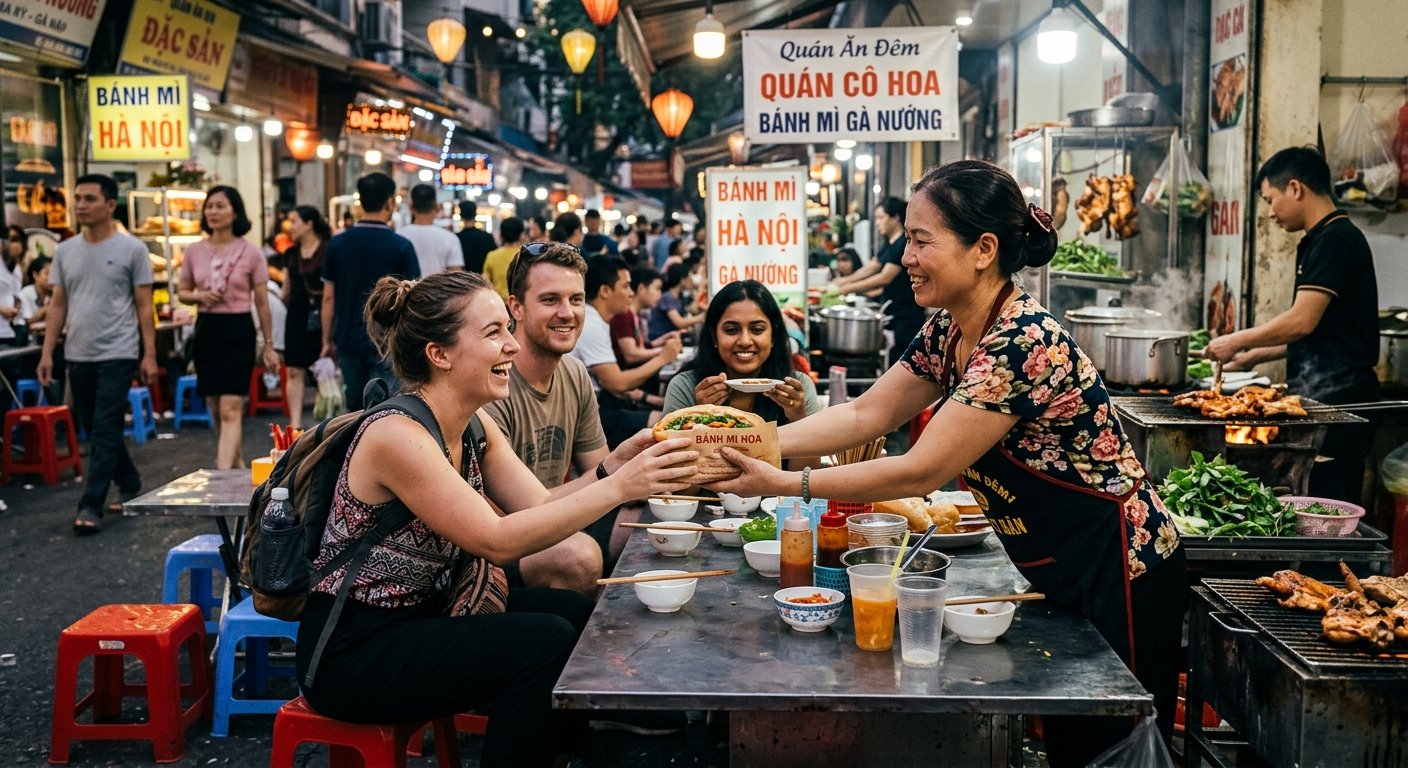
Stepping into a foreign street food market can be both thrilling and overwhelming. The sights, aromas, and unfamiliar ingredients offer a direct window into local culture, but language barriers, hygiene concerns, and navigation challenges often hold travelers back. This leads many food lovers to ask a fundamental question: Are guided street food tours worth it?
While self-guided eating costs less, booking a culinary tour promises curated stops, safety, cultural context, and access to hidden spots you might easily overlook on your own. This honest review breaks down the true value of guided street food tours, examining their pros, cons, hidden costs, and ideal traveler profiles to help you decide if they deserve a place in your travel itinerary.
Key Takeaways
- Curated Food Safety: Expert local guides take you to vetted stalls with high ingredient turnover, reducing the risk of foodborne illness.
- Cultural Context: Beyond tasting food, you learn the historical origins, regional ingredients, and eating etiquette of every dish.
- Cost vs. Value: Food tours cost significantly more than buying street snacks on your own, but the price covers multiple tastings, transport, and guide expertise.
- Ideal for Short Trips: If you have limited time in a city, a 3-hour walking tour lets you sample 6–10 iconic regional dishes without stress.
1. The Advantages: Why Book a Food Tour?
For many travelers, joining guided street food tours is the single best way to break through cultural barriers and taste authentic regional dishes safely.
Navigating Hygiene & Food Safety
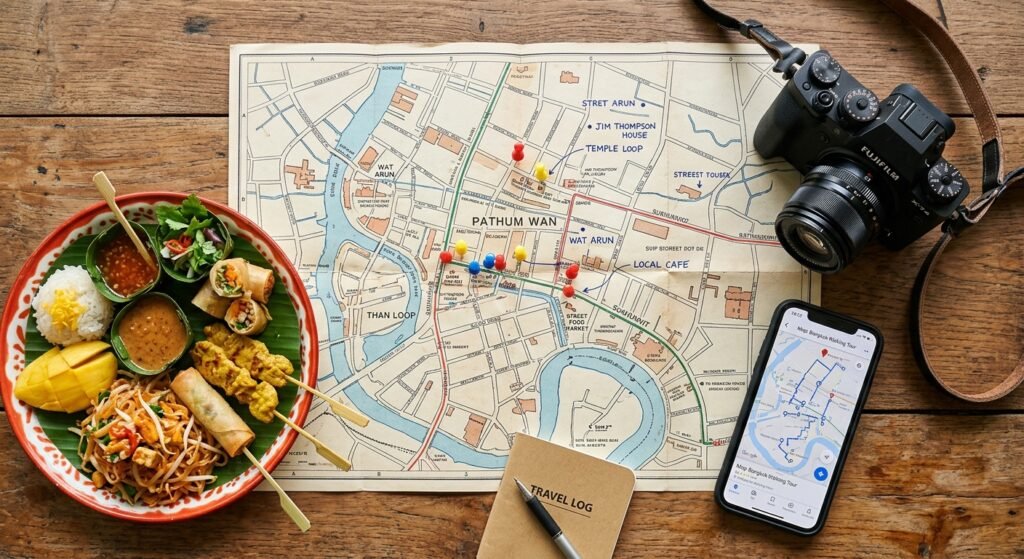
One of the primary reasons travelers hesitate to eat street food is fear of getting sick. Professional guides maintain close relationships with local vendors, selecting stalls that follow clean handling standards and maintain rapid food turnover.
Unlocking Hidden Culinary Gems
The most famous street food vendors rarely show up at the top of English search results. Local guides take you down hidden residential alleys, family-run night market stalls, and historic pushcarts that have perfected a single recipe over generations.
[Internal Link: Check out our complete guide to night market etiquette and safety rules]
Learning the Story Behind the Plate
A dish tastes remarkably better when you understand its background. Guides explain the migration history, regional spices, and cultural traditions embedded in every bite—turning a simple snack into an educational masterclass.
2. The Drawbacks: Honest Pros & Cons
Despite their popularity, guided street food tours are not suitable for every type of traveler or travel budget.
Higher Cost Compared to DIY Eating
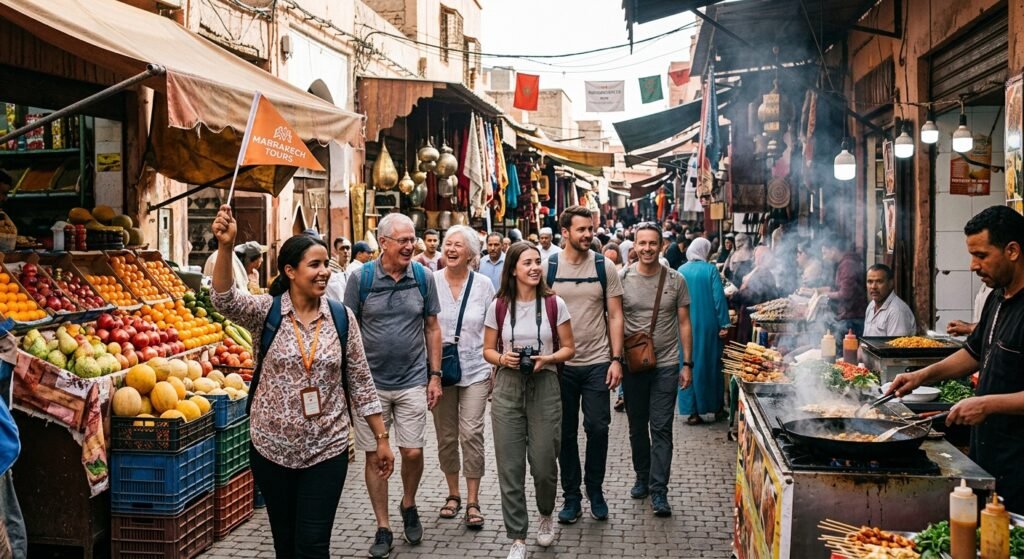
- The Price Tag: A typical guided food tour ranges between $30 and $90 USD per person depending on the city.
- The Reality: The actual raw food served on the tour might only cost $5 to $15 USD at local street rates. You are paying for logistics, safety, and storytelling rather than just raw calories.
Fixed Itineraries & Fast Pacing
Group tours follow strict schedules. If you love lingering at a single stall to take photographs or drink a slow beer, the group pace might feel rushed. Additionally, set menus can make accommodations challenging for strict dietary restrictions (e.g., severe allergies or strict veganism).
[External Link: Explore international culinary tourism trends via the official World Food Travel Association Portal]
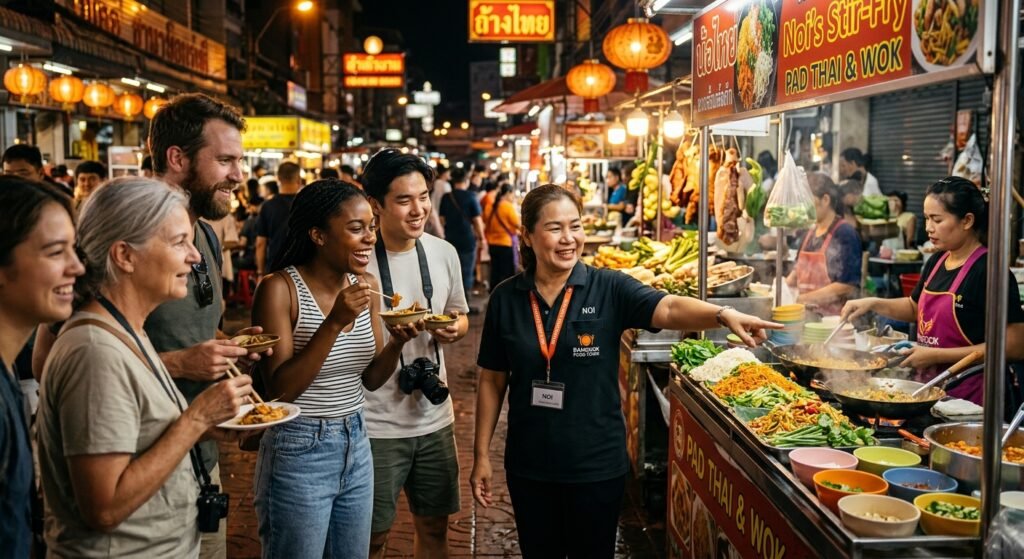
3. Self-Guided vs. Guided Food Tours
| Feature | Self-Guided Eating (DIY) | Guided Street Food Tours |
| Total Cost | Very low ($2 – $10 per dish) | Moderate to High ($30 – $90 per tour) |
| Safety Confidence | Depends on personal judgment | High (Pre-vetted clean vendors) |
| Cultural Insight | Minimal (Unless researching heavily) | Deep (Live local guide commentary) |
| Language Access | Basic (Pointing / Translator apps) | Seamless (Guide translates orders) |
| Flexibility | 100% personalized schedule | Fixed route and set tasting dishes |
4. How to Choose the Right Food Tour
If you decide to book, maximize your investment by evaluating these key criteria:
- Check Group Sizes: Avoid large groups of 15+ people. Opt for small-group tours capped at 6 to 8 participants for a more personal, nimble experience.
- Review Dietary Options: Confirm in advance if the tour accommodates vegetarian, gluten-free, or specific meat restrictions.
- Look for Neighborhood Variety: Choose tours that walk through authentic residential neighborhoods rather than tourist-heavy main avenues.
Conclusion
So, are guided street food tours worth it? The short answer is yes—especially for first-time visitors, solo travelers, and short-stay vacationers. While you pay a premium compared to buying snacks individually, the peace of mind, vetted food hygiene, deep cultural context, and effortless access to hidden stalls make it a worthwhile investment. If you want to jumpstart your culinary confidence in a new country, a guided tour is the ultimate way to begin!
Frequently Asked Questions (FAQs)
Are guided street food tours worth the high price tag?
Yes. Although food tours cost significantly more than the food itself, you are paying for curated vendor selection, safety, multi-language guide commentary, transport, and access to hidden local spots you wouldn’t find independently.
How much food is included on a typical street food tour?
Most guided street food tours include 6 to 10 distinct tastings, which usually add up to more than a full meal. It is recommended to skip lunch or eat very light before attending an evening food tour.
Can vegetarians or vegans enjoy street food tours?
Many modern food tour operators offer customized vegetarian and vegan paths. However, you should always check the tour details beforehand and message the operator to confirm whether your specific dietary needs can be safely accommodated.
1 thought on “Are Guided Street Food Tours Worth It?”