Curry is one of the world’s most versatile and beloved culinary concepts. Though the term “curry” originated as a broad Western classification for spiced, sauce-based dishes across Asia, every culture has refined the art to reflect local ingredients, cooking techniques, and spice preferences. Navigating this culinary landscape becomes much easier when using a structured regional curry guide to unpack how different cultures approach flavor building.
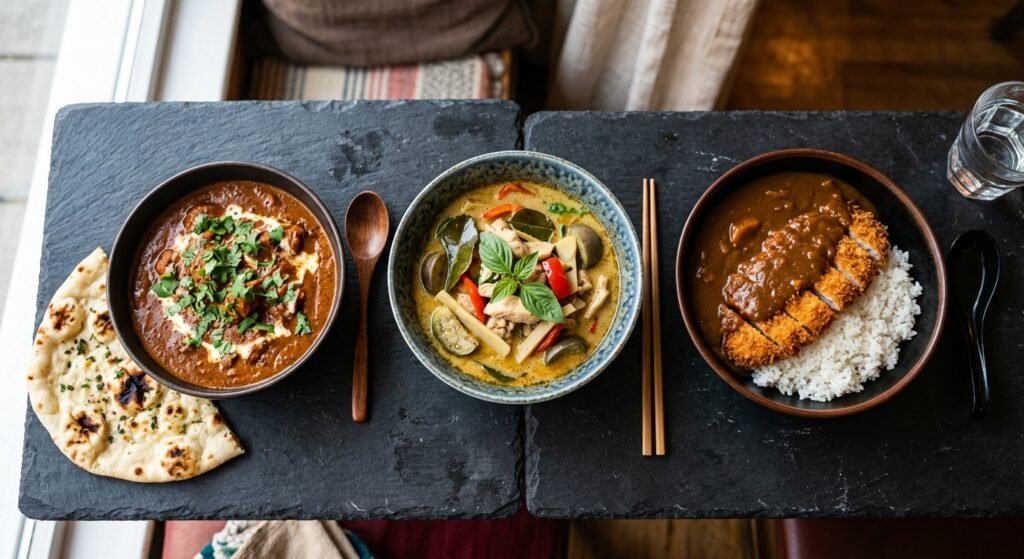
From the complex dry-roasted spice blends of India to the fresh, herb-heavy coconut pastes of Thailand and the comforting, roux-thickened sauces of Japan, understanding these variations unveils a world of taste. This comprehensive regional curry guide breaks down the essential differences between Indian, Thai, and Japanese curries, covering their base ingredients, spice profiles, textures, and flagship recipes.
Key Takeaways
- Spice Bases Differ Fundamentally: Indian curries rely on ground dry spices (masalas), Thai curries use fresh pounded herb pastes (kreung), and Japanese curries utilize a roux (curry roux) made with flour and fat.
- Liquid Foundations: Indian variations use yogurt, tomatoes, or onions; Thai curries center on coconut milk and water; Japanese curries build upon dashi, water, or meat broths.
- Heat Profiles: Thai curries deliver sharp, aromatic heat from fresh chilies; Indian curries offer warm, complex lingering spices; Japanese curries emphasize mild sweetness and comfort.
- Textural Hierarchy: Indian curries range from thick masalas to thin gravies; Thai curries resemble fragrant soups; Japanese curries are smooth, glossy, and thick like gravy.
1. Indian Curry: The Art of Dry Spices & Layered Masalas
When exploring any regional curry guide, India stands as the historical epicenter of spiced gravy dishes. Indian cooking rarely relies on pre-made curry powders; instead, chefs craft unique spice mixtures (masalas) tailored to specific meats or vegetables.
Flavor Base & Ingredients
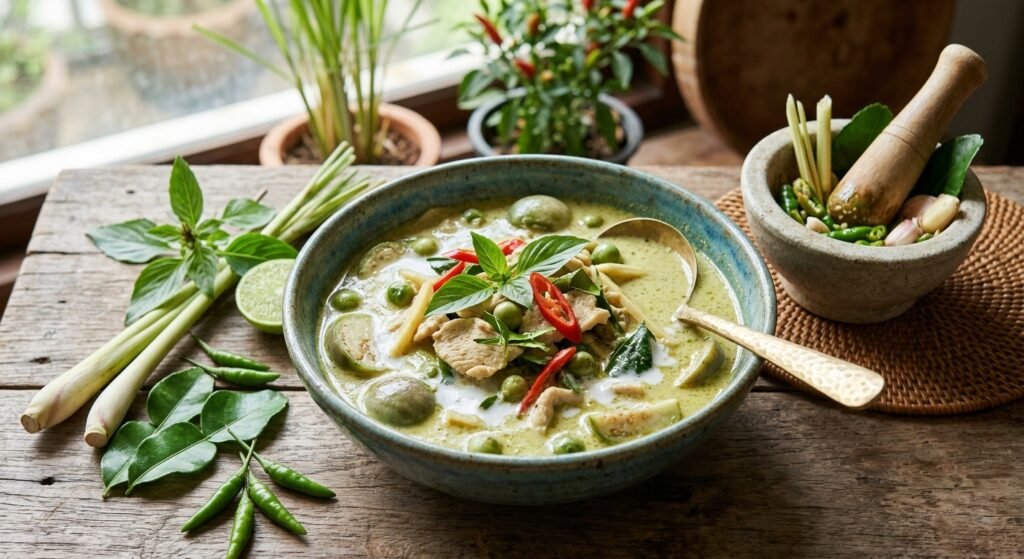
- The Aromatic Base: A combination of finely diced onions, ginger, garlic, and fresh tomatoes cooked down into a rich paste (tarka).
- Key Spices: Cumin, coriander, turmeric, cardamom, cloves, cinnamon, mustard seeds, and chili powder.
- Liquid Mediums: Yogurt, heavy cream, ghee (clarified butter), or simple tomato purees.
Iconic Indian Curries to Know
- Tikkan/Butter Masala: Creamy, tomato-rich, and lightly spiced, offering balanced sweetness and warmth.
- Vindaloo: A fiery Goa-inspired curry featuring vinegar, garlic, and heavy red chilies.
- Rogan Josh: A aromatic Kashmiri lamb dish flavored with dried ginger and alkanet root.
2. Thai Curry: Fresh Herbs & Creamy Coconut Milk
Thailand approaches flavor from a vibrant, herbaceous perspective. Any thorough regional curry guide highlights how Thai curries prioritize fresh, aromatic plants over dried seeds.
Flavor Base & Ingredients
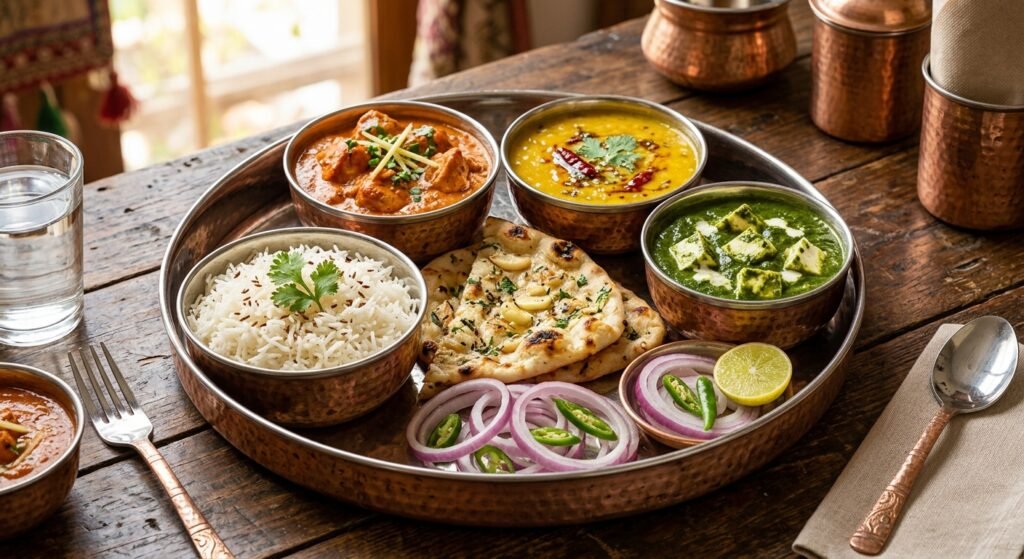
- The Curry Paste (Kreung): Crafted by pounding fresh ingredients in a stone mortar and pestle. Ingredients include lemongrass, galangal, kaffir lime zest, coriander roots, shallots, garlic, and shrimp paste.
- Liquid Mediums: Coconut milk and coconut cream, which are split over heat to release natural oils before adding the curry paste.
- The Balancing Act: Thai cuisine continuously balances four primary tastes: salty (fish sauce), sweet (palm sugar), sour (tamarind or lime), and spicy (fresh bird’s eye chilies).
Iconic Thai Curries to Know
- Green Curry (Gaeng Keow Wan): Sweet, aromatic, and fiery, powered by fresh green chilies and Thai basil.
- Red Curry (Gaeng Phet): Richer and earthier, utilizing dried red chilies for a deep color and steady heat.
- Massaman Curry: A southern Thai specialty influenced by Persian traders, combining coconut milk with warm spices like cinnamon, nutmeg, and roasted peanuts.
[Internal Link: Explore our full street food guide to regional Asian dining destinations]
3. Japanese Curry: Comforting, Sweet & Thick
Japanese curry (Kare) represents a fascinating evolution of fusion cuisine. Introduced by the British Royal Navy during the Meiji era, the dish was adapted to match Japanese culinary preferences for mild, hearty comfort food.
Flavor Base & Ingredients
- The Roux: Made by cooking wheat flour and fat (butter or oil) until light brown, then blending in mild curry powder, fruit purees, and cocoa or honey.
- Texture & Thickness: Thick, velvety, and gravy-like, designed to coat short-grain rice cleanly.
- Flavor Profile: Mild, sweet, and savory, often incorporating grated apples, onions, and honey rather than intense chili heat.
Iconic Japanese Curry Styles
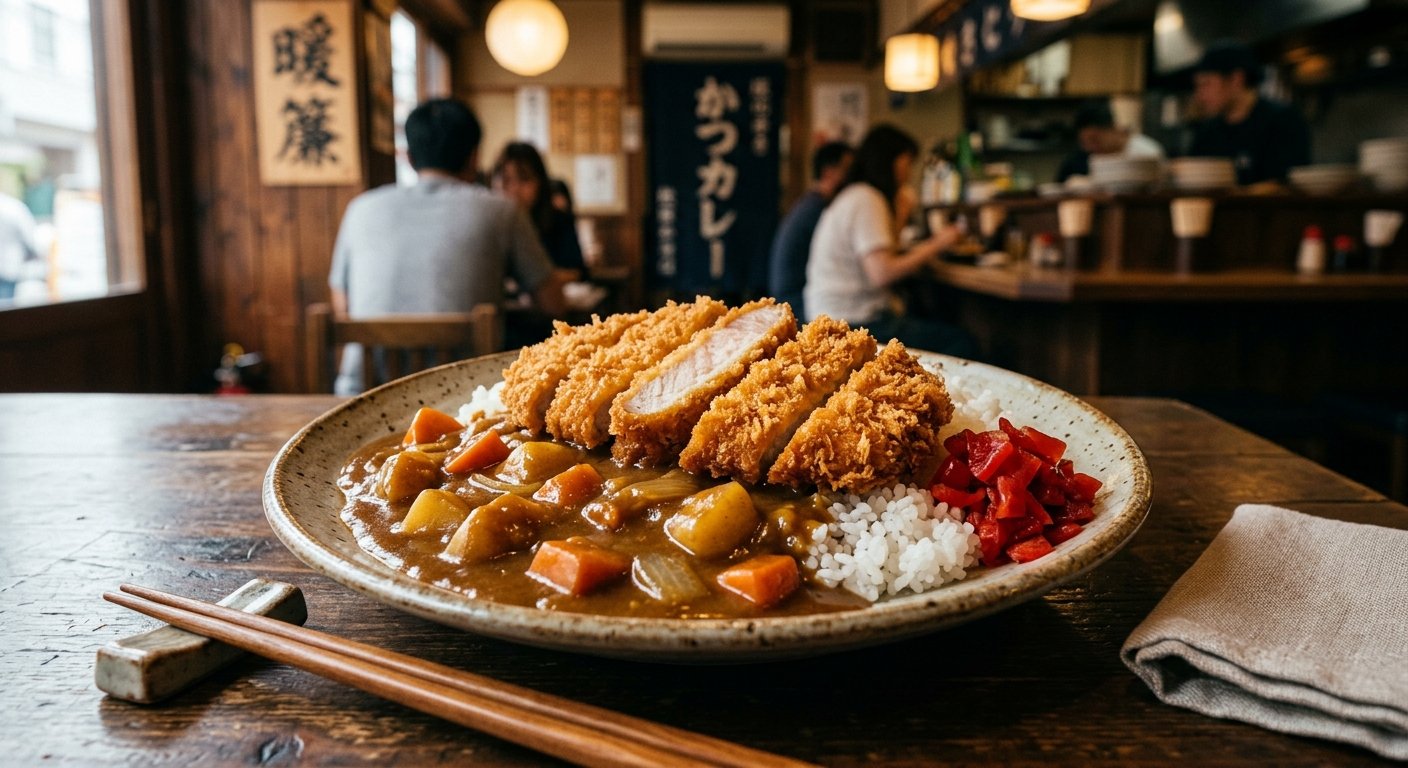
- Katsu Curry: Crisp panko-breaded pork or chicken cutlets served over rice with generous curry sauce.
- Soup Curry: Hailing from Hokkaido, this lighter, broth-based version features slow-roasted chicken thighs and large, flash-fried vegetables.
- Kare Udon: Thick, chewy udon noodles served in a savory, curry-infused dashi broth.
[External Link: Discover the historical origins of Japanese Kare on the official Japan National Tourism Organization portal]
4. Comparative Breakdown: At a Glance
| Feature | Indian Curry | Thai Curry | Japanese Curry |
| Primary Base | Whole & Ground Dried Spices | Fresh Pounded Herb Pastes | Flour & Fat Curry Roux |
| Thickening Agent | Onion-Tomato Reduction / Cream | Coconut Milk Reduction | Wheat Flour Roux |
| Spice Level | Moderate to Very High | High to Extreme | Mild to Low |
| Primary Sweetness | Low (Derived from Onions) | Moderate (Palm Sugar) | High (Apples, Carrots, Honey) |
| Serving Companion | Naan, Roti, or Basmati Rice | Jasmine Rice | Short-Grain Japanese Rice |
Conclusion
Using a comprehensive regional curry guide highlights how a single culinary concept can take on drastically different forms based on local culture and available ingredients. Indian curries showcase the complex depth of roasted spices; Thai curries deliver an explosion of fresh, coconut-infused herbs; and Japanese curries offer unmatched comfort through rich, savory sauces. Exploring all three broadens your palate and deepens your appreciation for global cooking traditions.
Frequently Asked Questions (FAQs)
Which region featured in the regional curry guide is the healthiest?
Thai curries (especially jungle curries made without coconut milk) and light Indian vegetable curries offer high concentrations of fresh herbs, garlic, ginger, and turmeric. Japanese curries tend to be higher in carbohydrates and sodium due to flour roux bases.
Why are Thai curries more soup-like compared to Indian and Japanese curries?
Thai curries rely on liquid bases composed of coconut milk, fish sauce, and broth without starch-based thickeners, resulting in a lighter, soup-like consistency.
Can you make Japanese curry without commercial curry roux blocks?
Yes, you can make authentic Japanese curry from scratch by creating a roux with butter, flour, mild curry powder, garam masala, tomato paste, and a dash of grated apple or honey.
1 thought on “Regional Curry Guide: Indian, Thai & Japanese”