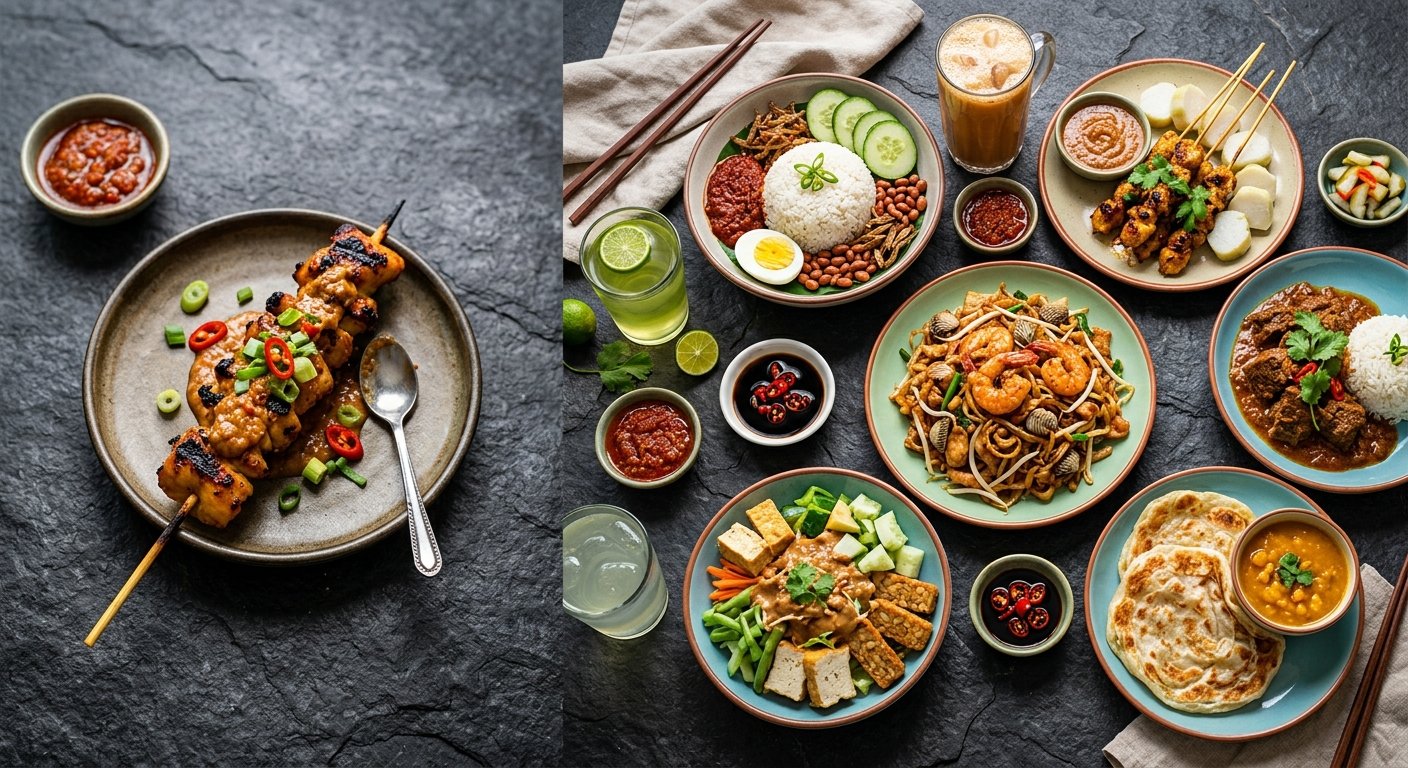
Exploring a destination through its culinary scene is one of the most rewarding ways to connect with local culture. Whether sampling tapas in Madrid, slurping ramen in Tokyo, or trying street food in Southeast Asia, tasting regional specialties brings a city to life. However, when planning your culinary itinerary, a key decision arises: self-guided vs paid food tours—which option truly delivers the best experience for your budget and travel style?
A self-guided DIY approach gives you complete freedom, lower upfront costs, and an adventurous sense of discovery. On the other hand, paid guided food tours provide vetted food safety, seamless logistics, and rich cultural context delivered by expert local guides. This comprehensive guide compares self-guided vs paid food tours across cost, flexibility, safety, and depth of experience to help you choose the right path for your next journey.
Key Takeaways
- Budget Flexibility: Self-guided food tours cost significantly less upfront, letting you control exact dish choices and price points.
- Safety & Peace of Mind: Paid food tours take the guesswork out of food hygiene by taking you to vetted stalls with high ingredient turnover.
- Cultural Context: Guided experiences provide live commentary on regional history, ingredient origins, and eating etiquette that self-guided maps cannot match.
- Time Efficiency: Paid tours cover multiple iconic tastings within 3 to 4 hours, making them ideal for travelers with limited time in a new city.
1. Understanding Self-Guided Food Tours
A self-guided food tour relies on your own research, mapping out individual street stalls, markets, and historic eateries ahead of time.
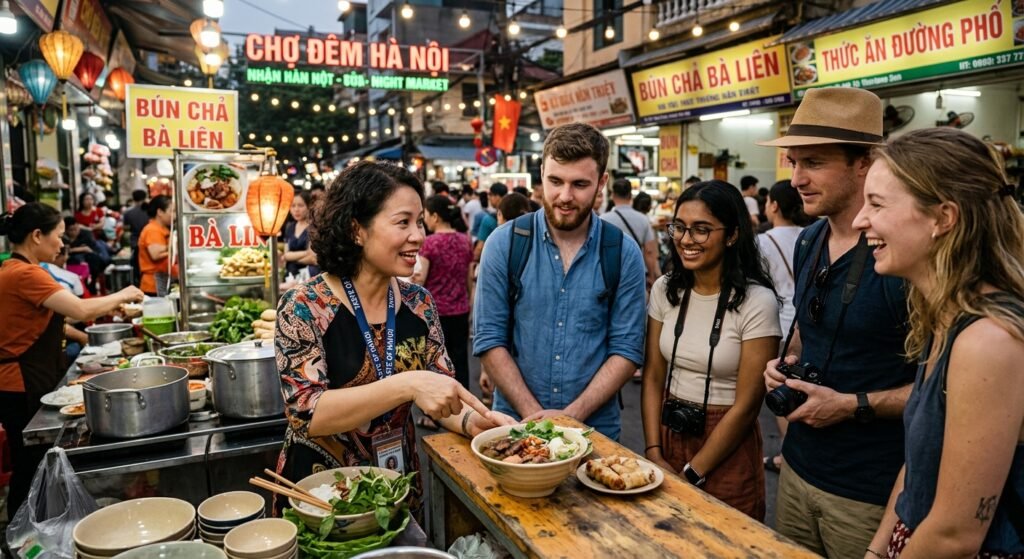
Pros of Self-Guided Culinary Exploration
- Total Pace Control: You decide how long to linger at each stop without adhering to a group schedule.
- Cost Efficiency: You pay only for the exact food and drinks you consume, avoiding guide and administrative fees.
- Personalized Menus: Ideal for travelers with strict dietary preferences, severe allergies, or highly niche food interests.
Cons of DIY Food Tours
- Research Burden: Requires hours spent cross-referencing food blogs, map pins, and operating hours.
- Language & Navigation Barriers: Ordering at fast-paced local counter stalls without speaking the language can prove intimidating.
2. Evaluating Paid Guided Food Tours
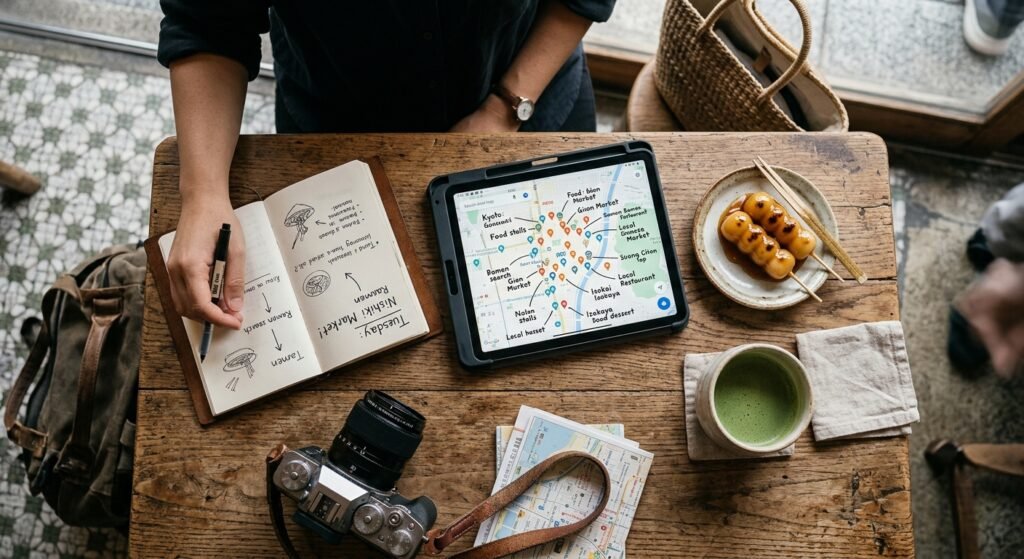
Paid culinary tours are hosted by local experts who lead small groups through curated neighborhood itineraries.
[Internal Link: Read our honest review on whether guided street food tours are worth the money]
Pros of Joining a Paid Tour
- Curated Vendor Safety: Professional guides partner with clean, high-turnover vendors, minimizing food safety concerns in unfamiliar destinations.
- Insider Cultural Stories: Guides share local folklore, historical context, and dining etiquette that elevate simple snacks into educational experiences.
- Access to Hidden Locations: Many food tours grant access to family-run kitchens, residential alley stalls, and exclusive tasting rooms off the tourist grid.
[External Link: Explore global culinary travel research and standards on the official World Food Travel Association Portal]
Cons of Paid Food Tours
- Higher Price Tag: Guided food tours typically range from $40 to $120 USD per person depending on the city.
- Rigid Itineraries: Set menus and fixed group timing leave little room for spontaneous detours.
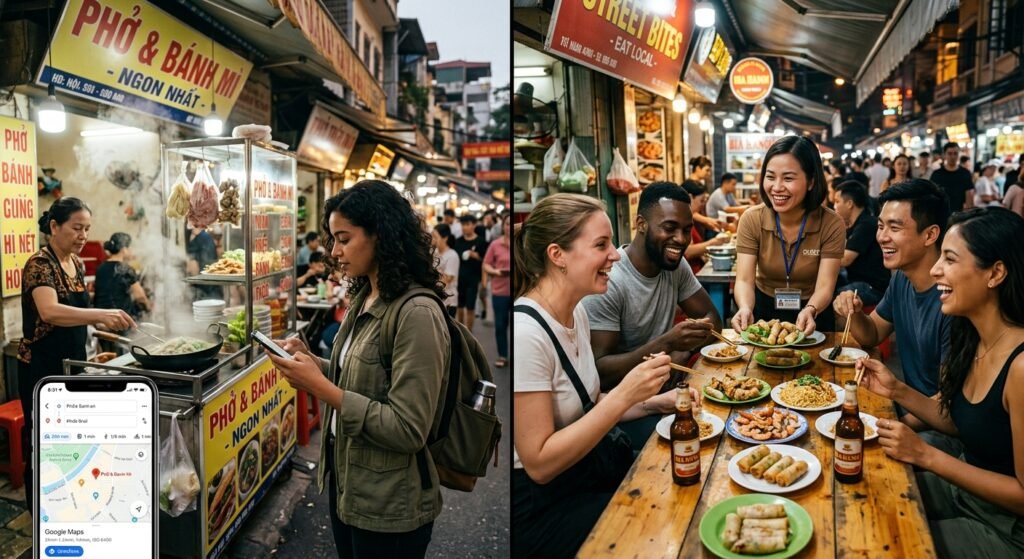
3. Direct Comparison: Self-Guided vs. Paid Food Tours
| Evaluation Factor | Self-Guided Food Tour (DIY) | Paid Guided Food Tour |
| Average Cost | Low ($10 – $25 per person) | Moderate to High ($40 – $120 per person) |
| Preparation Required | High (Self-research & mapping) | None (Turn up and follow the guide) |
| Flexibility & Pacing | 100% customizable | Fixed group route and schedule |
| Language Support | Translation apps / Gestures | Seamless (Bilingual local guide) |
| Food Safety Level | Dependent on personal judgment | High (Pre-vetted clean vendors) |
| Cultural Depth | Self-guided reading | Live expert storytelling & context |
4. How to Decide Which Option Fits Your Trip
When weighing self-guided vs paid food tours, ask yourself these three practical questions:
- How Much Time Do You Have? If you only have 24 to 48 hours in a city, a paid tour maximizes your time by covering key culinary highlights efficiently.
- What Is Your Travel Budget? Budget travelers and long-term backpackers will stretch their funds much further with self-guided market visits.
- How Comfortable Are You with Language Barriers? If ordering in non-English environments feels intimidating, a paid guide provides a comfortable, stress-free bridge.
Conclusion
When choosing between self-guided vs paid food tours, there is no single wrong answer—only what best matches your travel goals. If you value complete schedule freedom and budget savings, planning a DIY food crawl offers a thrilling adventure. However, if you seek seamless logistics, guaranteed hygiene, and rich cultural storytelling, booking a paid guided tour is worth every cent. Many travelers find that combining both strategies yields the ultimate culinary trip!
Frequently Asked Questions (FAQs)
Which is cheaper: self-guided vs paid food tours?
Self-guided food tours are significantly cheaper. With DIY tours, you only pay for the raw cost of dishes (often $10 to $25 total), whereas paid food tours include guide fees, logistics, and company overhead (ranging from $40 to $120 per person).
Are paid food tours worth it for solo travelers?
Yes! Paid food tours are fantastic for solo travelers. They offer a safe, social environment to meet fellow food lovers while exploring local neighborhood dining options with confidence.
Can I do a self-guided food tour safely in street food destinations?
Yes, provided you follow basic food safety rules: select busy stalls with long queues of locals, ensure hot dishes are cooked fresh in front of you, and stick to purified bottled water.
1 thought on “Self-Guided vs. Paid Food Tours”